There’s something truly comforting about the smell of fresh bread baking in your kitchen. I remember the first time I made homemade sandwich bread; it was a rainy Saturday afternoon, and I wanted to impress my family with something hearty and simple. I was amazed at how easy it was—and even more thrilled when my kids devoured the sandwiches without even asking if the bread was store-bought.
This Best Sandwich Bread Recipe is perfect for beginner cooks because it’s straightforward, requires basic ingredients, and rewards you with a loaf that’s both soft and sturdy. It’s the ideal base for everything from classic PB&J to gourmet grilled cheese. Plus, it’s a healthier choice with no preservatives, making it one of the best quick and healthy meals you can create at home.
Why This Bread Recipe is Special
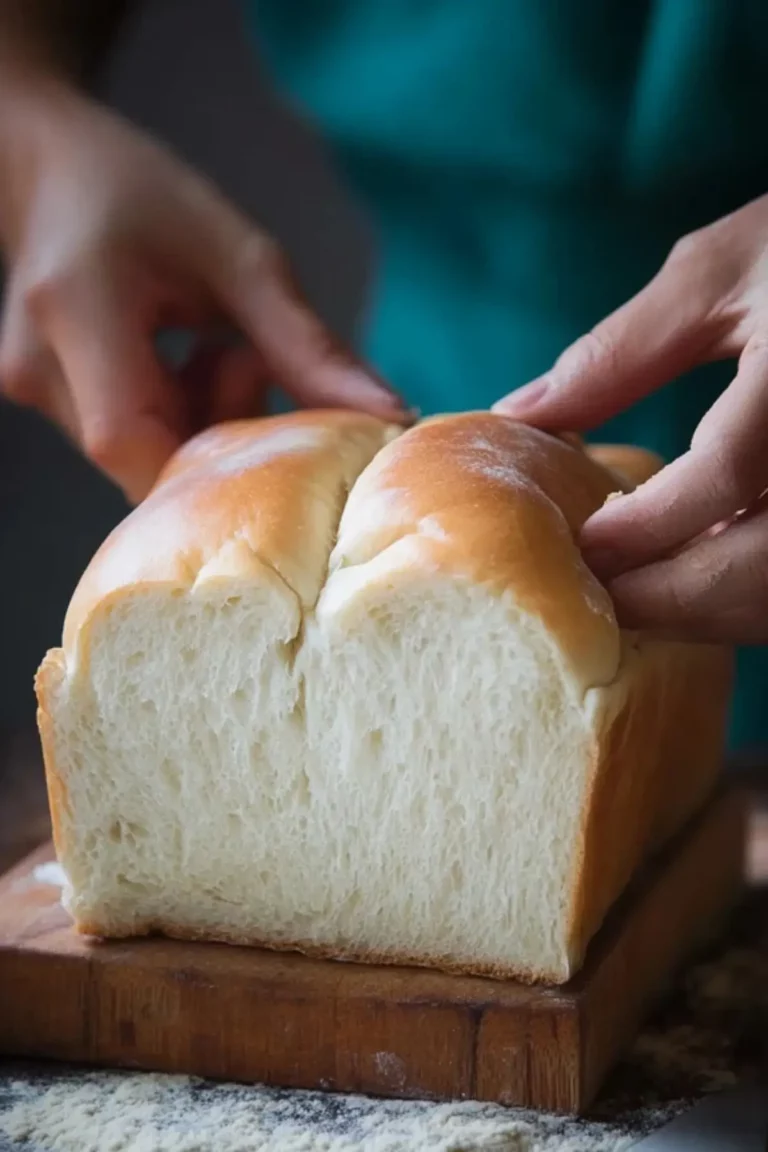
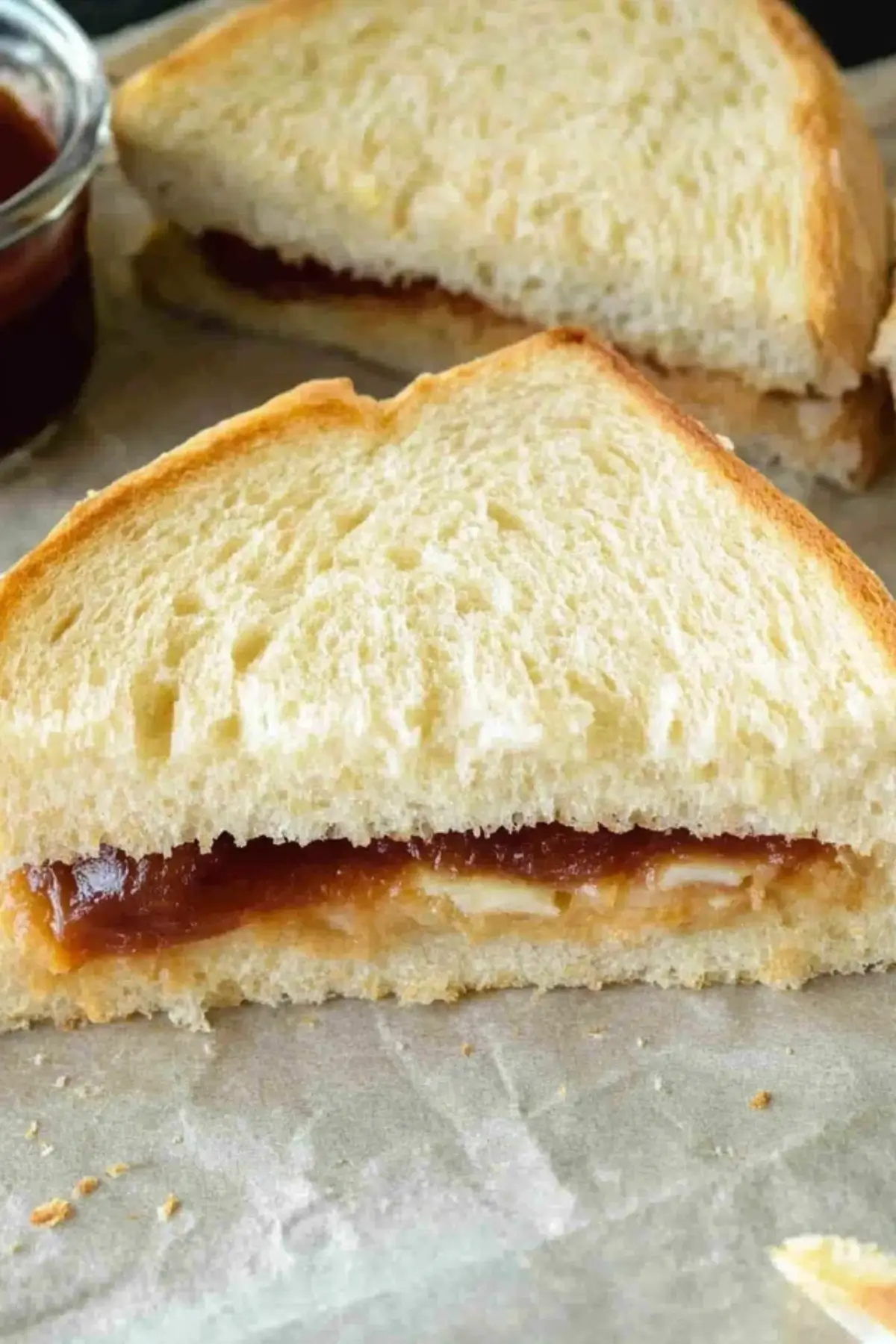
Unlike typical homemade bread that crumbles or absorbs fillings like a sponge, this easy sandwich bread has a chewy, tight crumb just like the loaves you buy at the store. It’s designed to hold up to juicy tomatoes, melty cheese, and stacks of cold cuts without falling apart. With a few extra kneading steps and the right balance of ingredients, you’ll bake a loaf that’s not only delicious but also reliable for any sandwich you crave.
Ingredients and Preparation
All-Purpose Flour
Provides the perfect balance of structure and tenderness. It keeps the bread light while maintaining a soft, chewy texture. You can substitute half the amount with whole wheat flour for a heartier, more nutritious loaf.
Active Dry Yeast
Creates the rise and airy texture. Instant yeast can be used as an alternative, just reduce the rise times slightly.
Warm Water and Warm Milk
Activate the yeast and enrich the dough. Milk adds a subtle sweetness and softness that makes the bread tender. Almond milk or oat milk are great dairy-free substitutes.
White Sugar and Brown Sugar
Feed the yeast and contribute a slight caramelized flavor. Honey can be used instead for a natural sweetener.
Olive Oil
Keeps the bread moist and tender. Any mild vegetable oil or melted butter can be used as a substitute.
Salt
Enhances flavor and strengthens the dough’s structure.
Step-by-Step Instructions
Step 1 Begin by combining the warm water, warm milk, white sugar, brown sugar, and yeast in the bowl of a stand mixer fitted with a dough hook. Let it sit for 5 minutes until it looks foamy.
Step 2 Add the salt, olive oil, and flour to the yeast mixture. Start mixing on a low speed until the dough begins to form.
Step 3 Increase the mixer speed to medium and knead the dough for 5 full minutes. The dough should pull away from the sides of the bowl but still feel slightly sticky to the touch.
Step 4 Cover the bowl with a light towel and let the dough rest. Every 10 minutes for the next hour, uncover the dough and give it a few quick folds or kneads to strengthen the gluten.
Step 5 After the hour, let the dough rise undisturbed until it has doubled in size, about 45 minutes.
Step 6 Lightly flour your work surface and shape the dough into a long loaf. Place it into a greased sandwich loaf pan or a standard loaf pan if that’s what you have.
Step 7 Cover the loaf again and let it rise until it puffs about half an inch above the rim of the pan, usually 35 to 45 minutes.
Step 8 While the dough is rising, preheat your oven to 350°F. Once risen, bake the loaf in the center of the oven for 25 minutes or until the top is golden brown and the loaf sounds hollow when tapped.
Step 9 Remove the bread from the pan and cool it on a wire rack. Let it cool completely before slicing to avoid squashing the tender crumb.

Beginner Tips and Notes
If your bread browns too quickly on top, lightly tent it with foil halfway through baking. If the dough feels too sticky to handle, resist the urge to add too much extra flour; a little stickiness ensures a moist, chewy crumb.
For hand kneading, be patient and knead vigorously for at least 10 minutes. Lightly flour your hands rather than the dough to prevent it from becoming too dense.
Investing in a good bread knife or chilling the bread slightly before slicing can make all the difference in achieving perfect sandwich-ready slices.
Serving Suggestions
This bread is a versatile canvas. Pair it with a hearty soup like tomato basil or a fresh salad for a balanced quick and healthy meal. It’s perfect for making grilled cheeses, club sandwiches, or even sweet treats like cinnamon toast.
To store leftovers, wrap the bread tightly in plastic wrap and place it in an airtight container. It will stay fresh for 3–4 days at room temperature or up to a week in the fridge. For longer storage, slice the bread and freeze it with parchment paper between slices.
Conclusion
Making homemade sandwich bread is a rewarding and surprisingly easy project that every beginner cook should try. This easy sheet pan dinner companion, this lemon herb chicken recipe sandwich base, and endless quick and healthy meals await you with this versatile loaf. I hope you give this a try and share your experience in the comments below. What kind of sandwich will you build first?
FAQ About Best Homemade Sandwich Bread Recipe
1. Can I make this sandwich bread without a stand mixer?
Yes, you can knead the dough by hand. Just be prepared to knead vigorously for at least 10 minutes. Keep the dough slightly sticky for a softer texture.
2. Can I use whole wheat flour instead of all-purpose flour?
You can replace up to half of the all-purpose flour with whole wheat flour. Using only whole wheat flour may make the bread denser and heavier.
3. How do I know when the bread is fully baked?
The loaf should be golden brown and sound hollow when tapped on the bottom. You can also use a thermometer; the internal temperature should reach about 190°F.
More Relevant Recipes
- My Irish grandma taught me this recipe, and I swear I make it all year long!
- Japanese Egg Sandwich (Tamago Sando)
- Fluffy Garlic Butter Breadsticks
Best Sandwich Bread Recipe
- Total Time: 3 hours 25 minutes
- Yield: 1 loaf 1x
- Diet: Vegetarian
Description
Soft, chewy homemade sandwich bread that’s perfect for beginner cooks. Easy to make, healthier than store-bought, and ideal for any sandwich filling.
Ingredients
- 3 Cups All-Purpose Flour
- 2 1/4 teaspoons Active Dry Yeast
- 3/4 Cup Warm Water
- 1/2 Cup Warm Milk
- 1 Tablespoon White Sugar
- 1 Tablespoon Brown Sugar
- 2 Tablespoons Olive Oil
- 1/2 teaspoon Salt
Instructions
- In the bowl of a stand mixer fitted with a dough hook, combine warm water, warm milk, white sugar, brown sugar, and yeast. Let sit for 5 minutes until foamy.
- Add salt, olive oil, and flour to the yeast mixture. Mix on low speed until the dough starts to form.
- Increase to medium speed and knead for 5 minutes until the dough pulls away from the sides but remains slightly sticky.
- Cover the bowl with a towel and let the dough rest, kneading it briefly every 10 minutes for the next hour.
- Allow the dough to rise undisturbed until doubled in size, about 45 minutes.
- Shape the dough into a long loaf on a floured surface and place it into a greased sandwich loaf pan.
- Cover and let the loaf rise until it is about 1/2 inch above the edge of the pan, about 35–45 minutes.
- Preheat oven to 350°F and bake the loaf for 25 minutes until golden brown and hollow-sounding when tapped.
- Cool on a wire rack before slicing and serving.
Notes
- Keep the dough slightly sticky for a soft, chewy texture.
- If browning too quickly, tent the loaf with foil halfway through baking.
- Store bread tightly wrapped to prevent drying out.
- Chill the loaf before slicing for cleaner cuts.
- Hand kneading requires vigorous 10 minutes of kneading without adding much extra flour.
- Prep Time: 3 hours
- Cook Time: 25 minutes
- Category: Bread
- Method: Baking
- Cuisine: American
Nutrition
- Serving Size: 1 slice (based on 12 slices per loaf)
- Calories: 1724 (for entire loaf)
- Sugar: 48g
- Sodium: 255mg
- Fat: 34g
- Saturated Fat: 6g
- Unsaturated Fat: 25g
- Trans Fat: 0g
- Carbohydrates: 333g
- Fiber: 9g
- Protein: 18g
- Cholesterol: 18mg