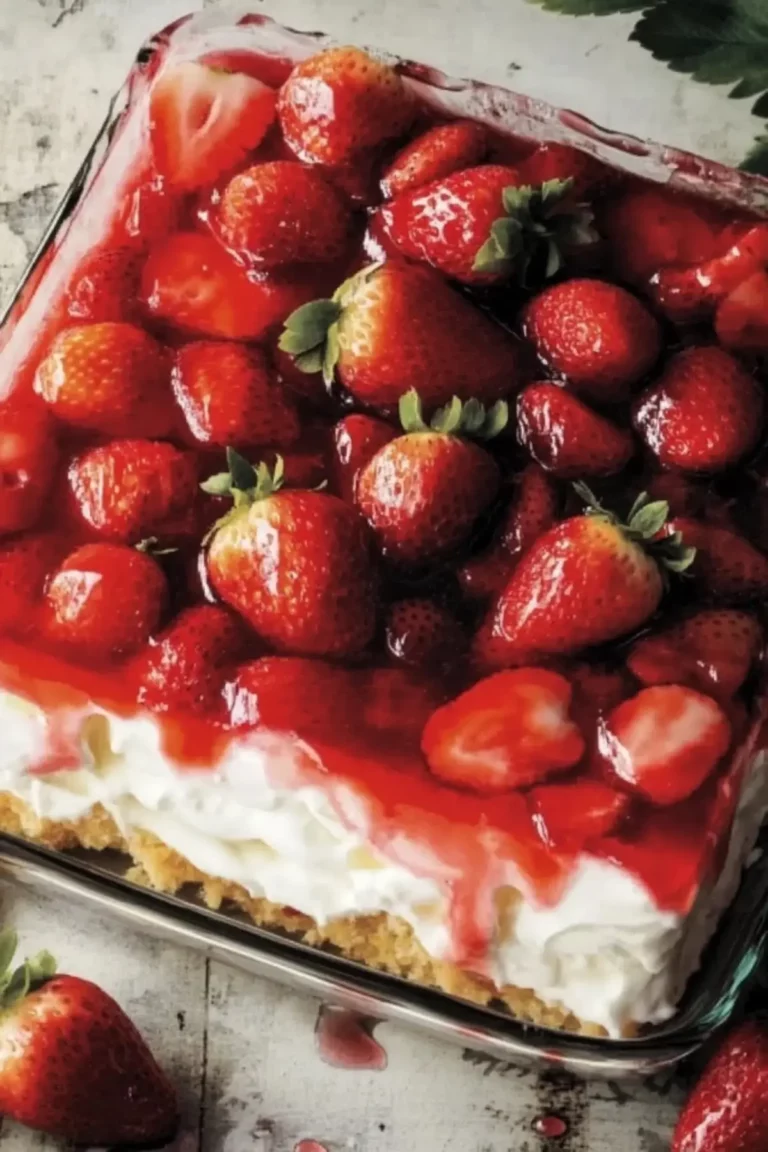
Cottage Cheese Cake is a light, creamy, and protein-rich dessert that combines indulgence with a wholesome twist. Unlike traditional cheesecakes, this Cottage Cheese Cake delivers a soft texture and slightly tangy flavor while being lower in fat and higher in nutrients. Whether you are looking for a healthier dessert option or a unique baked treat, this recipe stands out for its simplicity, versatility, and delicious results.

Table of Contents
Why This Cottage Cheese Cake Stands Out
This Cottage Cheese Cake is perfect for anyone who wants a balance between flavor and nutrition. It offers a creamy consistency without the heaviness of classic cheesecake, making it ideal for everyday enjoyment.
One of the main advantages of Cottage Cheese Cake is its high protein content. Cottage cheese naturally adds richness while keeping the cake lighter. This makes it a great option for breakfast, dessert, or even a post-workout snack.
Another reason to love this Cottage Cheese Cake is how easy it is to prepare. With minimal ingredients and simple steps, you can create a bakery-quality dessert at home. It is also highly adaptable, allowing you to customize flavors and textures to suit your preferences.
Ingredients for a Perfect Cottage Cheese Cake
• Cottage cheese: The star ingredient that provides creaminess, moisture, and a subtle tangy flavor
• Eggs: Help bind the Cottage Cheese Cake and give it structure
• Sweetener (sugar or alternative): Adds sweetness and balances the tanginess
• Cornstarch or flour: Stabilizes the batter and ensures a firm yet soft texture
• Vanilla extract: Enhances aroma and adds depth of flavor
• Lemon zest or juice: Brings freshness and complements the cottage cheese
• Butter or oil: Adds richness and improves texture
• Salt: Balances flavors and enhances sweetness
Ingredient Swaps and Variations
If you want to adjust your Cottage Cheese Cake for dietary needs or preferences, there are several easy substitutions.
You can replace sugar with honey, maple syrup, or a sugar-free sweetener for a healthier version. For a gluten-free Cottage Cheese Cake, swap regular flour with cornstarch or almond flour.
If you prefer a richer flavor, you can mix cottage cheese with a bit of cream cheese. For a dairy-free twist, plant-based cottage cheese alternatives can also work, though the texture may vary slightly.
Step-by-Step Cottage Cheese Cake Instructions
- Preheat your oven to 350°F (175°C) and prepare a baking pan by lining it with parchment paper or lightly greasing it. This ensures your Cottage Cheese Cake does not stick.
- Blend the cottage cheese until smooth. This step is essential for achieving a creamy and lump-free Cottage Cheese Cake texture.
- In a mixing bowl, combine the blended cottage cheese with eggs, sweetener, vanilla extract, and lemon zest. Mix until the batter becomes smooth and well incorporated.
- Add the cornstarch or flour gradually while stirring. This helps stabilize the batter and prevents lumps from forming.
- Pour the Cottage Cheese Cake batter into the prepared pan. Gently tap the pan on the counter to remove air bubbles.
- Bake the Cottage Cheese Cake for about 35–45 minutes. Check doneness by inserting a toothpick in the center; it should come out mostly clean with slight moisture.
- Turn off the oven and let the cake cool inside with the door slightly open. This prevents cracking and keeps the Cottage Cheese Cake soft.
- Once cooled, transfer the cake to the refrigerator and chill for at least 2 hours. This step enhances flavor and improves texture.
- Slice and serve your Cottage Cheese Cake chilled or at room temperature for the best experience.
Tips for the Best Cottage Cheese Cake
To achieve a flawless Cottage Cheese Cake, always blend the cottage cheese thoroughly. This ensures a smooth and creamy consistency rather than a grainy texture.
Avoid overbaking, as this can make the Cottage Cheese Cake dry. The center should remain slightly soft when you remove it from the oven.
Letting the Cottage Cheese Cake cool gradually helps prevent cracks on the surface. Sudden temperature changes can affect the texture.
For added flavor, you can incorporate ingredients like cinnamon, nutmeg, or a hint of almond extract. These small additions can elevate your Cottage Cheese Cake significantly.
Store leftovers in an airtight container in the refrigerator for up to 4 days. The flavor of Cottage Cheese Cake often improves after chilling.
Pairing Ideas and Cottage Cheese Cake Variations
Cottage Cheese Cake pairs beautifully with a variety of toppings and sides. Fresh berries such as strawberries, blueberries, or raspberries add natural sweetness and a pop of color.
You can drizzle honey, maple syrup, or a fruit compote over your Cottage Cheese Cake for extra flavor. A dusting of powdered sugar also works well for a simple presentation.
For a more indulgent version, add a chocolate drizzle or serve with whipped cream. If you enjoy texture contrast, sprinkle crushed nuts or granola on top.
There are also several variations you can try. A chocolate Cottage Cheese Cake can be made by adding cocoa powder to the batter. For a citrus twist, increase the lemon or add orange zest.
If you prefer a crust, you can create a base using crushed biscuits and butter before pouring in the Cottage Cheese Cake batter. This adds a satisfying crunch and transforms the dessert into a more traditional cheesecake style.
Health Benefits of Cottage Cheese Cake
One of the key advantages of Cottage Cheese Cake is its nutritional profile. Cottage cheese is rich in protein, calcium, and essential nutrients, making this dessert more wholesome than many alternatives.
Compared to traditional cheesecake, Cottage Cheese Cake is often lower in fat and calories. This makes it a great option for those who want to enjoy dessert without overindulging.
The protein content in Cottage Cheese Cake also helps keep you full longer, making it a satisfying treat. Additionally, using natural sweeteners or reducing sugar can further enhance its health benefits.
Because of its balanced ingredients, Cottage Cheese Cake can fit into various diets, including high-protein or lower-carb meal plans, depending on the substitutions used.
Common Mistakes to Avoid When Making Cottage Cheese Cake
One common mistake is not blending the cottage cheese properly. This can result in a lumpy texture, which affects the overall quality of the Cottage Cheese Cake.
Another issue is overmixing the batter after adding flour or cornstarch. This can make the cake dense instead of light and creamy.
Baking at too high a temperature can cause the Cottage Cheese Cake to crack or become rubbery. Always stick to the recommended temperature and baking time.
Skipping the chilling step is another mistake. Allowing the Cottage Cheese Cake to rest in the refrigerator enhances both flavor and texture.
Make-Ahead and Storage Tips
Cottage Cheese Cake is an excellent make-ahead dessert. You can prepare it a day in advance and store it in the refrigerator until ready to serve.
To store, place the Cottage Cheese Cake in an airtight container or cover it tightly with plastic wrap. This prevents it from absorbing other odors in the fridge.
If you want to freeze Cottage Cheese Cake, wrap individual slices and store them in a freezer-safe container. Thaw in the refrigerator overnight before serving.
Proper storage ensures your Cottage Cheese Cake remains fresh, flavorful, and ready to enjoy at any time.
Final Thoughts on Cottage Cheese Cake
Cottage Cheese Cake is a versatile and delicious dessert that combines simplicity with a nutritious twist. Its creamy texture, balanced flavor, and easy preparation make it a favorite for both beginners and experienced bakers.
Whether you enjoy it plain, topped with fruit, or customized with your favorite flavors, Cottage Cheese Cake offers endless possibilities. With the right techniques and ingredients, you can create a dessert that is both satisfying and wholesome.
This Cottage Cheese Cake recipe is not just a treat but a reliable go-to option for any occasion, delivering consistent results and a delightful taste every time.
Conclusion: Why You Should Try Cottage Cheese Cake Today
Cottage Cheese Cake is a perfect example of how simple ingredients can create an impressive and satisfying dessert. With its creamy texture, light consistency, and balanced flavor, this Cottage Cheese Cake offers a refreshing alternative to heavier cheesecakes while still delivering a rich and indulgent experience.
What makes Cottage Cheese Cake truly special is its versatility. You can enjoy it plain for a clean and wholesome taste or elevate it with fruits, syrups, or spices for a more decadent finish. Its high-protein content and adaptable ingredients also make it suitable for a wide range of dietary preferences.
Whether you are baking for your family, preparing a healthy dessert, or experimenting with new recipes, Cottage Cheese Cake is a reliable and rewarding choice. Once you try it, this Cottage Cheese Cake is likely to become a staple in your kitchen.
Frequently Asked Questions About Cottage Cheese Cake
Can I taste the cottage cheese in Cottage Cheese Cake?
The flavor of cottage cheese in Cottage Cheese Cake is very mild. Once blended and baked, it becomes smooth and slightly tangy, similar to traditional cheesecake. The added vanilla and sweetener help balance the taste, making the Cottage Cheese Cake delicious and well-rounded.
How do I make Cottage Cheese Cake extra smooth?
To achieve a silky texture in your Cottage Cheese Cake, always blend the cottage cheese thoroughly before mixing it with other ingredients. This step removes lumps and ensures a creamy consistency throughout the Cottage Cheese Cake.
Can I make Cottage Cheese Cake without flour?
Yes, you can make Cottage Cheese Cake without flour by using cornstarch, almond flour, or even skipping it entirely for a softer texture. These alternatives still help stabilize the Cottage Cheese Cake while keeping it gluten-free.
More Relevant Recipes
Print
Cottage Cheese Cake
- Total Time: 50 minutes + chilling
- Yield: 8 servings 1x
- Diet: Vegetarian
Description
Cottage Cheese Cake is a light, creamy, and protein-rich dessert with a smooth texture and mild tangy flavor. This easy recipe offers a healthier twist on traditional cheesecake while remaining delicious and satisfying.
Ingredients
- 2 cups cottage cheese
- 3 large eggs
- 1/2 cup sugar (or preferred sweetener)
- 2 tablespoons cornstarch (or flour)
- 1 teaspoon vanilla extract
- 1 tablespoon lemon zest or juice
- 2 tablespoons melted butter or oil
- 1/4 teaspoon salt
Instructions
- Preheat oven to 350°F (175°C) and line or grease a baking pan.
- Blend the cottage cheese until completely smooth and creamy.
- In a bowl, mix blended cottage cheese, eggs, sugar, vanilla extract, and lemon zest until well combined.
- Add cornstarch and mix gently until the batter is smooth.
- Pour batter into the prepared pan and tap lightly to remove air bubbles.
- Bake for 35–45 minutes until the center is slightly set but still soft.
- Turn off the oven and let the cake cool inside with the door slightly open.
- Refrigerate for at least 2 hours before slicing and serving.
Notes
- Blend cottage cheese thoroughly for a smooth texture.
- Do not overbake to avoid a dry cake.
- Let the cake cool gradually to prevent cracks.
- Chilling enhances flavor and texture.
- Store in an airtight container in the refrigerator for up to 4 days.
- Prep Time: 10 minutes
- Cook Time: 40 minutes
- Category: Dessert
- Method: Baking
- Cuisine: International
Nutrition
- Serving Size: 1 slice
- Calories: 180 kcal
- Sugar: 10 g
- Sodium: 220 mg
- Fat: 7 g
- Saturated Fat: 3 g
- Unsaturated Fat: 3.5 g
- Trans Fat: 0 g
- Carbohydrates: 15 g
- Fiber: 0 g
- Protein: 12 g
- Cholesterol: 85 mg