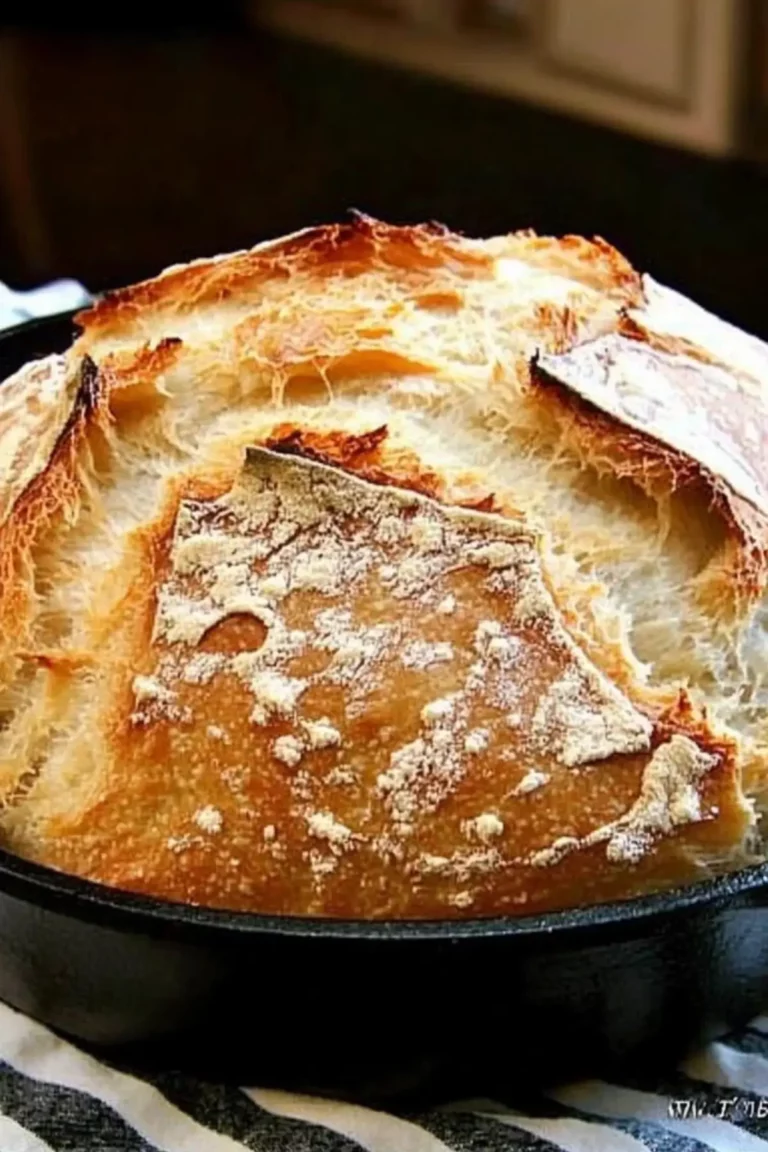
Easter Bread is a beautiful and traditional holiday treat that brings both flavor and festive charm to the table. This soft, lightly sweetened bread is often braided into rings and decorated with colorful eggs, making it a centerpiece-worthy addition to Easter brunch or dessert spreads. If you’ve never made Easter Bread before, you might be surprised at how simple it can be. With a few pantry staples, citrus zest, and yeast dough techniques, you can create a homemade Easter Bread that is fluffy, fragrant, and visually stunning.
What makes Easter Bread so special is its combination of soft enriched dough and symbolic decoration. The lightly sweet dough is flavored with vanilla and bright citrus zest, while the braided shape adds a rustic, bakery-style appearance. Traditionally, a dyed egg is nestled into the center of each bread ring, symbolizing new life and celebration. Whether you are baking for family, friends, or a holiday gathering, this Easter Bread recipe is both meaningful and delicious.

Table of Contents
Why This Easter Bread Recipe Is Worth Trying
Homemade Easter Bread stands out because it combines tradition, flavor, and visual appeal. Unlike regular bread, this festive loaf is enriched with eggs, butter, milk, and sugar, creating a soft and tender crumb.
Another reason many home bakers love Easter Bread is its versatility. It works equally well as a sweet breakfast bread, a brunch centerpiece, or a lightly sweet dessert. The citrus zest adds a fresh aroma that makes the bread feel bright and seasonal.
This Easter Bread recipe is also beginner-friendly. With the help of instant yeast and a stand mixer, the dough comes together quickly and requires minimal kneading. The braided rings may look impressive, but they are actually simple to shape once the dough is prepared.
Finally, the decorative egg in the center makes this sweet Easter bread memorable. It transforms a simple loaf into a festive holiday tradition that both kids and adults enjoy.
Ingredients for Homemade Easter Bread
The ingredients used in Easter Bread are simple but carefully chosen to create a soft, flavorful dough.
- Whole Milk: Adds moisture and richness to the dough while helping activate the yeast.
- Butter: Contributes a buttery flavor and soft texture in the Easter Bread.
- All-Purpose Flour: Provides the structure needed for the braided bread dough.
- Granulated Sugar: Adds a mild sweetness that balances the citrus flavors.
- Rapid Rise Instant Yeast: Helps the dough rise faster and gives the bread its fluffy texture.
- Lemon Zest: Brings bright citrus aroma that enhances the flavor of the Easter Bread.
- Orange Zest: Adds another layer of fresh citrus flavor that complements the sweetness.
- Eggs: Enrich the dough, giving the bread structure, softness, and a golden color.
- Vanilla Extract: Adds warm sweetness and enhances the overall flavor profile.
- Egg (for Egg Wash): Creates a shiny, golden crust on the baked Easter Bread.
- Milk (for Egg Wash): Helps thin the egg wash for easier brushing.
- Dyed Easter Eggs: Traditional decoration placed in the center of the bread rings.
- Colorful Sprinkles: Optional decoration that adds a festive holiday appearance.
Alternative Ingredient Suggestions
If you want to customize your Bread, there are several ingredient swaps you can try without affecting the overall structure of the dough.
You can replace whole milk with almond milk, oat milk, or another dairy-free option for a dairy-free Easter Bread version.
If butter is unavailable, margarine or plant-based butter can work as a substitute. While the flavor may vary slightly, the texture of the sweet Easter bread will remain soft.
For a more complex flavor, some bakers like to add a small amount of honey instead of part of the sugar. You can also include a pinch of cinnamon or nutmeg for a warm spice note.
If you prefer not to bake the bread with a real egg in the center, you can remove it after baking and replace it with chocolate eggs or candy-coated chocolates for a kid-friendly Easter Bread presentation.
Step-by-Step Instructions
- Begin by preparing the dry ingredients. In a large mixing bowl, combine two cups of all-purpose flour, granulated sugar, instant yeast, lemon zest, and orange zest. Stir everything together so the ingredients are evenly distributed.
- In a microwave-safe bowl or measuring cup, combine the milk and butter. Heat the mixture in short intervals until the butter melts and the liquid becomes warm but not hot. Warm liquid helps activate the yeast without damaging it.
- Add the eggs, vanilla extract, and the warm milk mixture to the dry ingredients. Using a stand mixer fitted with a dough hook, mix the ingredients until they form a thick batter-like consistency.
- Gradually add the remaining flour while continuing to mix. The dough will begin to come together and pull away from the sides of the bowl. If the dough sticks too much to the bottom, sprinkle in a small amount of extra flour.
- Continue kneading the dough with the dough hook for about eight minutes. Proper kneading helps develop gluten, giving the Easter Bread its soft yet structured texture.
- Transfer the dough to a lightly floured surface and knead it gently by hand to form a smooth ball. Try to add as little extra flour as possible to maintain a tender crumb.
- Place the dough into a clean bowl and cover it with plastic wrap. Let it rest for about 15 minutes. This resting period allows the gluten to relax, making the dough easier to shape.
- After resting, punch down the dough to remove air pockets. Divide the dough into eight equal pieces.
- Roll each piece into ropes approximately 11 inches long. Take two ropes and pinch them together at one end, then twist or braid them together.
- Shape the braided dough into a ring and pinch the ends together securely. Repeat with the remaining dough pieces.
- Place each braided ring on a parchment-lined baking sheet. Cover the rings loosely with plastic wrap and allow them to rise in a warm area for 30 to 60 minutes, or until they double in size.
- Preheat the oven to 375°F while the dough is rising.
- Prepare the egg wash by beating one egg with a teaspoon of milk. Brush the mixture over each Easter Bread ring to create a glossy finish.
- Place a dyed uncooked Easter egg gently into the center of each dough ring. Add colorful sprinkles if desired.
- Bake the Easter Bread for about 20 minutes, rotating the baking sheet halfway through baking to ensure even browning.
- Once the bread turns golden brown, remove it from the oven and allow it to cool on a wire rack. Easter Bread tastes best when served slightly warm.
Tips for Perfect Easter Bread
To achieve the best results when making Easter Bread, a few baking tips can make a big difference.
Always make sure your milk mixture is warm rather than hot. High temperatures can kill the yeast and prevent the dough from rising properly.
When kneading the dough, avoid adding too much flour. Excess flour can lead to a dry or crumbly texture instead of the soft, pillowy texture expected in traditional Easter Bread.
Allow enough time for the dough to rise. If your kitchen is cool, place the dough near a warm oven or inside a turned-off oven with the light on to encourage fermentation.
Using fresh citrus zest is another key tip. Lemon and orange zest give Easter Bread its signature fragrance and brighten the flavor.
Finally, brush the egg wash gently but thoroughly. This step ensures the braided bread develops a glossy, golden crust during baking.
Serving Ideas and Creative Variations
Easter Bread is often served as part of a festive brunch or holiday breakfast. Because it is lightly sweet, it pairs wonderfully with coffee, tea, or hot chocolate.
You can slice Easter Bread and serve it with butter, honey, or fruit preserves. Strawberry jam, orange marmalade, and raspberry preserves complement the citrus flavor beautifully.
For a richer treat, try turning leftover Easter Bread into French toast. The slightly sweet and fluffy texture works perfectly when dipped in egg batter and cooked on a skillet.
There are also many creative variations of Easter Bread. Some bakers like to add raisins or dried cranberries to the dough for extra sweetness and texture. Others sprinkle sliced almonds on top before baking for a nutty crunch.
If you enjoy sweeter breads, you can drizzle a light vanilla glaze over the cooled Easter Bread. This adds a bakery-style finish and enhances the sweetness without overpowering the citrus notes.
Cultural Meaning of Easter Bread
Easter Bread is more than just a delicious baked good. It has deep cultural roots in many European and Mediterranean traditions.
In Italian culture, braided Easter Bread often includes colorful eggs baked directly into the dough. The eggs symbolize rebirth and new beginnings, reflecting the themes of the Easter holiday.
Greek, Eastern European, and Balkan cuisines also feature their own versions of Easter Bread, each with unique shapes and flavor variations. Some include spices like anise or cardamom, while others incorporate dried fruits or decorative icing.
The braided shape itself often represents unity, family, and celebration. Sharing Easter Bread during a holiday meal brings people together and continues a tradition passed down through generations.
Today, Easter Bread remains a cherished seasonal recipe enjoyed by families around the world. Baking it at home not only fills the kitchen with wonderful aromas but also creates meaningful memories.
How to Store Easter Bread Properly
Once your Easter Bread has cooled completely, proper storage will help maintain its freshness.
You can store Easter Bread at room temperature in an airtight container for up to three days. If the bread contains decorative eggs, remove them before storing at room temperature and keep them refrigerated.
For longer storage, Easter Bread can be refrigerated for up to five days. Wrap it tightly to prevent it from drying out.
If you want to keep the bread even longer, freezing is an excellent option. Place the bread in a freezer-safe bag or airtight container and freeze for up to three months. Remember to remove any eggs before freezing.
When ready to enjoy, thaw the bread at room temperature and warm it slightly in the oven to restore its soft texture.
Homemade Easter Bread combines simple ingredients, beautiful presentation, and meaningful tradition. Whether served fresh from the oven or shared during a festive meal, this classic holiday bread is sure to become a favorite part of your Easter celebration.
Final Thoughts on Making Easter Bread at Home
Easter Bread is more than just a festive recipe—it is a tradition that brings warmth, creativity, and celebration to the kitchen. With its soft, slightly sweet dough, fragrant citrus zest, and colorful eggs nestled into braided rings, this bread captures the joyful spirit of the Easter season.
One of the best things about homemade Easter Bread is how approachable it is for both beginner and experienced bakers. The dough is simple to prepare, the braiding technique is easy to learn, and the decorative elements make each loaf feel unique. Whether you are baking for a family brunch, a holiday dessert table, or simply to enjoy with coffee in the morning, Easter Bread offers a delightful combination of flavor and tradition.
This recipe also allows plenty of room for creativity. You can experiment with different decorations, sweet glazes, dried fruits, or even chocolate eggs in the center. No matter how you customize it, the result is always a beautiful bread that looks as good as it tastes.
If you have never tried baking Easter Bread before, this is the perfect recipe to start with. The aroma of freshly baked sweet bread filling your kitchen is unforgettable, and sharing it with loved ones makes the experience even more meaningful.
Frequently Asked Questions About Easter Bread
Why does Easter Bread have eggs in the center?
Traditional Easter Bread often features dyed eggs baked directly into the braided dough. The eggs symbolize new life, renewal, and rebirth, which aligns with the themes of the Easter holiday. In many cultures, the colorful eggs also represent celebration and family traditions.
The eggs are usually placed in the dough before baking. As the Easter Bread bakes, the eggs cook inside their shells while becoming a decorative centerpiece for the bread.
Can I make Easter Bread without a stand mixer?
Yes, you can absolutely make Easter Bread without a stand mixer. While a mixer with a dough hook makes kneading easier, the dough can also be mixed and kneaded by hand.
After combining the ingredients, simply knead the dough on a lightly floured surface for about 10 minutes until it becomes smooth and elastic. Hand kneading works just as well and still produces soft, fluffy Easter Bread.
How do I know when the Easter Bread dough has risen enough?
The best way to check if your Easter Bread dough has risen properly is to look for it to double in size. This usually takes between 30 minutes and one hour depending on the warmth of your kitchen.
You can also gently press your finger into the dough. If the indentation slowly springs back, the dough is ready to bake.
More Relevant Recipes
- Easy Easter Rice Krispie Treats for Spring Parties
- Easy Easter Bunny Coconut Tails Recipe
- Easter Brownies: Easy Chocolate Easter Dessert

Easter Bread
- Total Time: 1 hour 30 minutes
- Yield: 4 braided bread rings (about 8 servings) 1x
- Diet: Vegetarian
Description
Easter Bread is a soft, lightly sweet braided bread flavored with citrus zest and vanilla, traditionally baked with colorful eggs in the center. This festive homemade bread is perfect for Easter brunch or spring celebrations and features a tender texture with a golden crust.
Ingredients
- 1 cup whole milk
- 1/4 cup butter
- 4 cups all-purpose flour (divided)
- 1/3 cup granulated sugar
- 2 1/4 teaspoons rapid rise instant yeast (1 packet)
- Zest of 1 lemon
- Zest of 1 orange
- 2 large eggs
- 1 teaspoon vanilla extract
- 1 egg (for egg wash)
- 1 teaspoon milk (for egg wash)
- 4–6 dyed Easter eggs (uncooked)
- Colorful sprinkles (optional)
Instructions
- In a large mixing bowl combine 2 cups of flour, sugar, instant yeast, lemon zest, and orange zest. Stir until evenly mixed.
- In a microwave-safe bowl warm the milk and butter together until the butter melts and the mixture is warm but not hot.
- Add the eggs, vanilla extract, and warm milk mixture to the dry ingredients. Mix using a stand mixer with a dough hook until combined.
- Gradually add the remaining flour while mixing until a soft dough forms and pulls away from the bowl.
- Knead the dough with the dough hook for about 8 minutes until smooth and elastic.
- Transfer the dough to a lightly floured surface and knead briefly by hand to form a smooth ball.
- Place the dough in a clean bowl, cover with plastic wrap, and let it rest for about 15 minutes.
- Punch down the dough and divide it into 8 equal pieces.
- Roll each piece into ropes about 11 inches long. Twist or braid two ropes together and form them into a ring.
- Place the braided rings on a parchment-lined baking sheet and cover loosely with plastic wrap.
- Allow the dough rings to rise in a warm place for 30–60 minutes or until doubled in size. Preheat the oven to 375°F (190°C).
- Prepare the egg wash by whisking together 1 egg and 1 teaspoon milk.
- Brush the egg wash over each dough ring and gently place a dyed egg in the center. Add sprinkles if desired.
- Bake for about 20 minutes, rotating the baking sheet halfway through baking for even browning.
- Remove from the oven and let the Easter Bread cool on a wire rack before serving.
Notes
- Ensure the milk mixture is warm but not hot to avoid killing the yeast.
- A stand mixer with a dough hook makes kneading easier but hand kneading works as well.
- Use fresh lemon and orange zest for the best flavor.
- Avoid adding too much flour during kneading to keep the bread soft.
- If desired, replace the baked egg with chocolate eggs after baking for a fun variation.
- Store Easter Bread in an airtight container at room temperature for up to 3 days.
- Prep Time: 25 minutes
- Cook Time: 20 minutes
- Category: Bread
- Method: Baking
- Cuisine: Italian-American
Nutrition
- Serving Size: 1 serving
- Calories: 260
- Sugar: 7 g
- Sodium: 160 mg
- Fat: 7 g
- Saturated Fat: 4 g
- Unsaturated Fat: 2 g
- Trans Fat: 0 g
- Carbohydrates: 41 g
- Fiber: 1 g
- Protein: 7 g
- Cholesterol: 65 mg