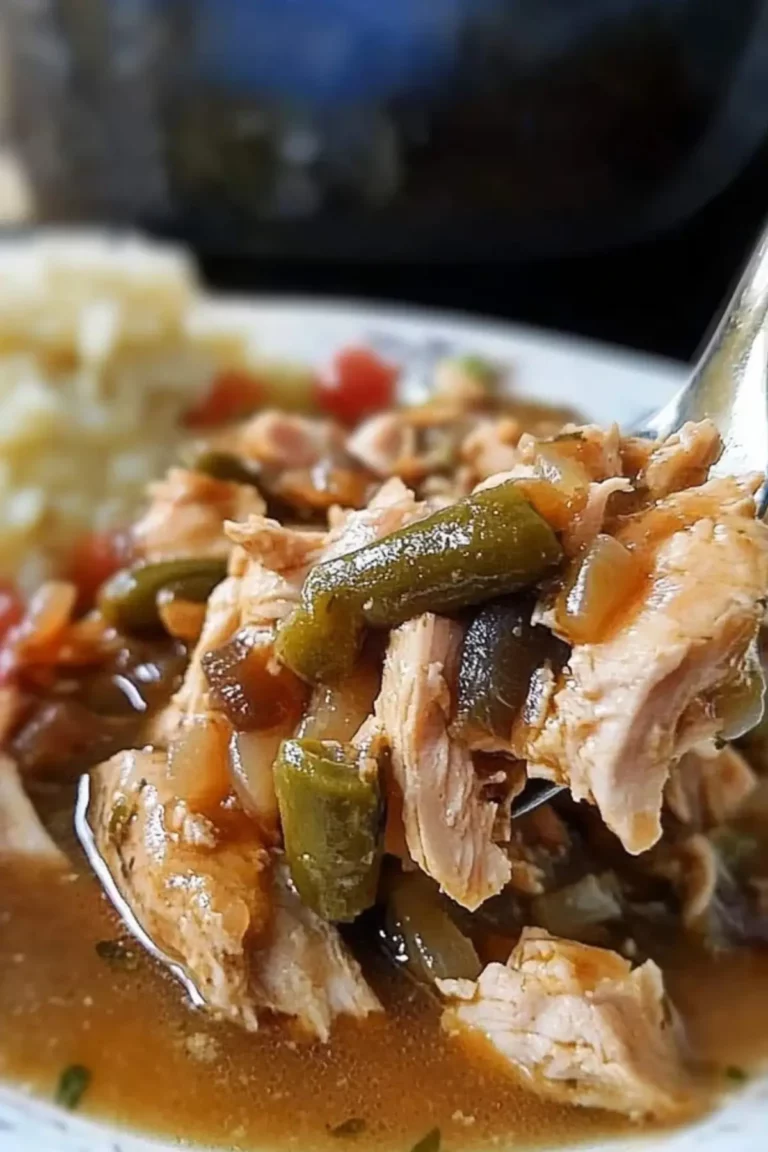
Vegetable Stir Fry is one of the easiest ways to turn fresh produce into a colorful, flavorful meal in minutes. This quick dish combines crisp vegetables, savory sauce, and simple cooking techniques to create a healthy dinner that works for busy weeknights or light lunches. A good vegetable stir fry delivers the perfect balance of texture and flavor—tender vegetables with just enough crunch, coated in a glossy sauce that brings everything together.
Another reason people love vegetable stir fry is its flexibility. You can use almost any vegetables you have in the refrigerator, making it a great option for reducing food waste while still preparing a nutritious meal. Whether served on its own, paired with rice, or tossed with noodles, vegetable stir fry is a satisfying and wholesome dish that fits many diets, including vegetarian and vegan lifestyles.

Table of Contents
Why Vegetable Stir Fry Is a Perfect Weeknight Meal
A homemade vegetable stir fry is popular because it combines speed, nutrition, and bold flavor in a single pan. Unlike many complicated dinners, this dish can be prepared in under 30 minutes with minimal cleanup.
One of the biggest benefits of vegetable stir fry is that it preserves the natural color and texture of vegetables. Stir frying uses high heat and quick cooking, which keeps vegetables vibrant and slightly crisp while locking in nutrients.
This cooking method also enhances flavor. Garlic, ginger, soy sauce, and a lightly thickened sauce coat the vegetables beautifully, giving vegetable stir fry its signature savory taste. The result is a dish that feels comforting yet fresh and light.
Another advantage is versatility. A vegetable stir fry works as a main course for vegetarians, but it can also be paired with chicken, tofu, shrimp, or beef if desired. The base recipe remains simple while allowing endless variations.
Because of its balance of fiber, vitamins, and plant-based ingredients, vegetable stir fry is also a smart choice for anyone looking for a healthier dinner option.
Fresh Ingredients That Make Vegetable Stir Fry Delicious
The magic of a great vegetable stir fry comes from a combination of colorful vegetables and a flavorful sauce. Each ingredient contributes texture, aroma, and depth.
• Broccoli: Adds crunch and absorbs the savory stir fry sauce beautifully.
• Carrots: Provide sweetness and vibrant color that balances the savory flavors.
• Bell Peppers: Bring bright flavor and slight sweetness while adding visual appeal.
• Snap Peas: Offer crisp texture and fresh green flavor.
• Mushrooms: Add an earthy taste and tender bite to the vegetable stir fry.
• Garlic: A key aromatic that enhances the savory flavor of the dish.
• Fresh Ginger: Provides warmth and subtle spice typical of Asian-inspired stir fry dishes.
• Soy Sauce: Forms the base of the stir fry sauce, delivering saltiness and umami.
• Cornstarch: Thickens the sauce so it lightly coats every vegetable.
• Vegetable Broth: Helps create a balanced sauce without making it too salty.
• Sesame Oil: Adds a nutty aroma that completes the flavor profile of vegetable stir fry.
• Olive Oil or Cooking Oil: Used for high-heat cooking to sauté the vegetables quickly.
Together, these ingredients transform simple vegetables into a vibrant vegetable stir fry that tastes fresh, savory, and satisfying.
Alternative Ingredient Suggestions for Vegetable Stir Fry
One of the best aspects of vegetable stir fry is how easy it is to customize. If you are missing an ingredient or want to adapt the recipe to dietary needs, several substitutions work well.
Zucchini can replace broccoli for a softer texture. Baby corn or water chestnuts can be added for extra crunch. Bok choy is another excellent vegetable that adds a mild flavor and tender leaves.
For a gluten-free vegetable stir fry, replace soy sauce with tamari or coconut aminos. If you prefer a sweeter sauce, a small drizzle of honey or maple syrup can balance the salty ingredients.
Protein additions are also simple. Cubed tofu, tempeh, or edamame blend naturally into vegetable stir fry and make the dish more filling while keeping it plant-based.
These flexible options ensure that vegetable stir fry remains convenient regardless of what ingredients you have available.
Step-by-Step Guide to Making Vegetable Stir Fry
- Prepare all vegetables before cooking. Cut broccoli into bite-sized florets, slice carrots thinly, and chop bell peppers into strips. Having everything ready is important because vegetable stir fry cooks quickly.
- In a small bowl, whisk together soy sauce, vegetable broth, cornstarch, and sesame oil. This mixture will become the stir fry sauce that thickens and coats the vegetables.
- Heat a large skillet or wok over medium-high heat. Add cooking oil and allow it to become hot but not smoking.
- Add broccoli and carrots first because they take slightly longer to soften. Stir constantly for about two minutes so the vegetables cook evenly.
- Add bell peppers, mushrooms, and snap peas to the pan. Continue tossing the vegetables frequently to maintain the crisp texture typical of vegetable stir fry.
- Stir in minced garlic and freshly grated ginger. Cook for about 30 seconds until fragrant, being careful not to burn the garlic.
- Pour the prepared stir fry sauce over the vegetables. Stir well so the sauce spreads evenly throughout the vegetable stir fry.
- Allow the sauce to simmer for one to two minutes. The cornstarch will thicken the mixture, creating a glossy coating around each vegetable.
- Taste and adjust seasoning if necessary. You can add a splash of soy sauce, a dash of chili flakes, or extra sesame oil depending on your flavor preference.
- Remove from heat once the vegetables are tender-crisp and the sauce has thickened. Your vegetable stir fry is now ready to serve.
Serve the vegetable stir fry immediately while the vegetables are hot and vibrant.
Tips for the Best Vegetable Stir Fry
Cooking a great vegetable stir fry is simple, but a few techniques can make a noticeable difference in flavor and texture.
Use high heat when cooking. Stir frying requires quick cooking at a high temperature to keep vegetables crisp rather than soft.
Avoid overcrowding the pan. Too many vegetables at once can trap steam, preventing the caramelization that gives vegetable stir fry its delicious flavor.
Cut vegetables evenly so they cook at the same rate. Thin slices ensure the vegetables become tender while maintaining a pleasant bite.
Prepare the sauce ahead of time. Because vegetable stir fry cooks so quickly, having the sauce ready ensures smooth cooking without burning the vegetables.
If you enjoy extra flavor, sprinkle toasted sesame seeds or sliced green onions over the finished vegetable stir fry before serving.
Leftovers can be stored in an airtight container in the refrigerator for up to three days. Reheat quickly in a skillet to restore the texture.
Serving Ideas and Flavor Variations
Vegetable stir fry is satisfying on its own, but pairing it with other foods can create a more complete meal.
Steamed jasmine rice is a classic option that absorbs the savory stir fry sauce beautifully. Brown rice provides a heartier and more nutritious alternative.
For a noodle-based dish, toss the vegetable stir fry with cooked rice noodles, soba noodles, or lo mein noodles. The sauce blends easily with noodles to create a comforting bowl.
You can also transform vegetable stir fry into a protein-packed meal by adding tofu cubes or roasted chickpeas. Both options complement the vegetables while keeping the dish vegetarian.
If you prefer bold flavors, add chili garlic sauce or red pepper flakes to create a spicy vegetable stir fry. A squeeze of fresh lime juice can brighten the dish and balance the savory sauce.
For meal prep, vegetable stir fry works wonderfully as a make-ahead option. Store portions with rice or noodles in separate containers for quick lunches throughout the week.
Health Benefits of Vegetable Stir Fry
A well-balanced vegetable stir fry offers many nutritional benefits. Because the dish is built around fresh vegetables, it is naturally rich in fiber, vitamins, and antioxidants.
Broccoli contributes vitamin C and compounds linked to immune support. Carrots provide beta carotene, which helps maintain healthy vision. Bell peppers add additional vitamin C and antioxidants.
Cooking vegetables quickly through stir frying helps preserve nutrients compared to longer cooking methods. The result is a vegetable stir fry that remains both flavorful and nutritious.
Another benefit is portion control. Because the dish is loaded with vegetables and light sauce rather than heavy cream or butter, vegetable stir fry tends to be lower in calories while still satisfying.
For anyone trying to incorporate more plant-based meals into their routine, vegetable stir fry is a practical and delicious option that proves healthy cooking does not have to be complicated.
With its colorful ingredients, quick preparation, and adaptable flavors, vegetable stir fry continues to be a favorite meal for home cooks everywhere. It is simple enough for beginners yet versatile enough to customize endlessly, making it a reliable recipe that belongs in every kitchen.
Conclusion
Vegetable Stir Fry proves that a healthy, flavorful meal does not need to be complicated or time-consuming. With fresh vegetables, a savory stir fry sauce, and a few simple cooking techniques, you can create a vibrant dish that is both nutritious and satisfying. The beauty of vegetable stir fry lies in its versatility—almost any combination of vegetables works, making it a practical option for using ingredients you already have at home.
Another reason vegetable stir fry remains a favorite is its balance of flavor and texture. Crisp broccoli, sweet carrots, tender mushrooms, and colorful bell peppers all absorb the savory sauce while maintaining their natural freshness. Whether served with rice, noodles, or enjoyed on its own, vegetable stir fry delivers a comforting yet light meal suitable for any day of the week.
If you are looking for a reliable recipe that is quick, healthy, and endlessly customizable, vegetable stir fry is an excellent choice. Once you master the basic technique, you can experiment with different vegetables, sauces, and toppings to create your own signature version. This simple dish is proof that everyday ingredients can come together to make something truly delicious.
Frequently Asked Questions About Vegetable Stir Fry
What vegetables work best in vegetable stir fry?
Many vegetables work beautifully in vegetable stir fry because the cooking method is quick and flexible. Popular choices include broccoli, carrots, bell peppers, mushrooms, snap peas, and zucchini. These vegetables hold their texture well during stir frying and absorb the sauce nicely. Leafy greens such as bok choy or spinach can also be added toward the end of cooking for extra flavor and nutrition.
How do you keep vegetables crisp in a vegetable stir fry?
The key to crisp vegetables in a vegetable stir fry is cooking them quickly over high heat. Use a large skillet or wok so the vegetables have enough space to cook evenly. Stir frequently and avoid overcrowding the pan, which can cause steaming instead of stir frying. Cutting vegetables into similar sizes also helps them cook evenly while maintaining their crunch.
Can vegetable stir fry be made ahead of time?
Vegetable stir fry can be prepared ahead of time and stored in the refrigerator for up to three days. To keep the vegetables from becoming too soft, slightly undercook them during the initial stir fry. When reheating, warm the vegetable stir fry quickly in a skillet over medium heat rather than using a microwave. This helps restore the original texture and flavor.
More Relevant Recipes
- Easy Radish Cucumber Salad with Black Pepper Chicken
- Cheesy Brussel Sprout Casserole
- Halal Cart Lamb

Vegetable Stir Fry
- Total Time: 20 minutes
- Yield: 4 servings 1x
- Diet: Vegan
Description
This Vegetable Stir Fry is a quick, healthy, and colorful dish made with crisp fresh vegetables tossed in a savory garlic-ginger stir fry sauce. Ready in about 20 minutes, it’s perfect for busy weeknights and works well as a vegetarian main dish or a flavorful side served with rice or noodles.
Ingredients
- 2 cups broccoli florets
- 1 cup sliced carrots
- 1 red bell pepper, sliced
- 1 yellow bell pepper, sliced
- 1 cup snap peas
- 1 cup mushrooms, sliced
- 3 cloves garlic, minced
- 1 tablespoon fresh ginger, grated
- 2 tablespoons vegetable oil
- 1/4 cup low-sodium soy sauce
- 1/2 cup vegetable broth
- 1 tablespoon sesame oil
- 1 tablespoon cornstarch
- 1 teaspoon honey or maple syrup (optional)
- 1 teaspoon sesame seeds (optional garnish)
- 2 tablespoons sliced green onions (optional garnish)
Instructions
- Prepare all vegetables by washing and cutting them into bite-sized pieces so they cook evenly during stir frying.
- In a small bowl, whisk together soy sauce, vegetable broth, sesame oil, cornstarch, and optional honey or maple syrup to create the stir fry sauce.
- Heat vegetable oil in a large skillet or wok over medium-high heat.
- Add broccoli and carrots first and stir fry for about 2–3 minutes until they begin to soften.
- Add bell peppers, mushrooms, and snap peas. Continue stirring frequently for another 2–3 minutes.
- Add minced garlic and grated ginger and cook for about 30 seconds until fragrant.
- Pour the prepared stir fry sauce into the pan and stir well so the vegetables are evenly coated.
- Allow the sauce to simmer for 1–2 minutes until it thickens and becomes glossy.
- Taste and adjust seasoning if needed with extra soy sauce or sesame oil.
- Remove from heat and garnish with sesame seeds and sliced green onions before serving.
Notes
- Cut vegetables into similar sizes to ensure even cooking.
- Cook on high heat to keep vegetables crisp rather than soft.
- Avoid overcrowding the pan so the vegetables stir fry instead of steaming.
- Serve immediately for the best texture and flavor.
- This dish pairs well with steamed rice, brown rice, or noodles.
- Store leftovers in an airtight container in the refrigerator for up to 3 days.
- Prep Time: 10 minutes
- Cook Time: 10 minutes
- Category: Main Course
- Method: Stir Fry
- Cuisine: Asian-Inspired
Nutrition
- Serving Size: 1 serving
- Calories: 150 kcal
- Sugar: 6 g
- Sodium: 620 mg
- Fat: 7 g
- Saturated Fat: 1 g
- Unsaturated Fat: 5 g
- Trans Fat: 0 g
- Carbohydrates: 18 g
- Fiber: 4 g
- Protein: 4 g
- Cholesterol: 0 mg