There’s something timeless about the smell of freshly baked bread wafting through a kitchen. I still remember the first time I baked my own dinner rolls—I was intimidated by yeast and unsure how a sticky lump of dough could ever turn into something so golden and satisfying. But when I pulled those crusty, chewy French bread dinner rolls out of the oven, it felt like a little victory. This recipe became my go-to, and I’ve shared it with friends and family who also feared baking with yeast. Why? Because it’s simple, rewarding, and perfect for beginners looking for quick and healthy meals that feel like a hug in bread form.
Whether you’re cooking for a holiday dinner or just want to level up a weekday soup night, these Crusty Chewy French Bread Rolls are a flawless addition. With only a handful of pantry ingredients and no complicated shaping or equipment required, this easy sheet pan dinner side is approachable and nourishing.
Why This Recipe is Special
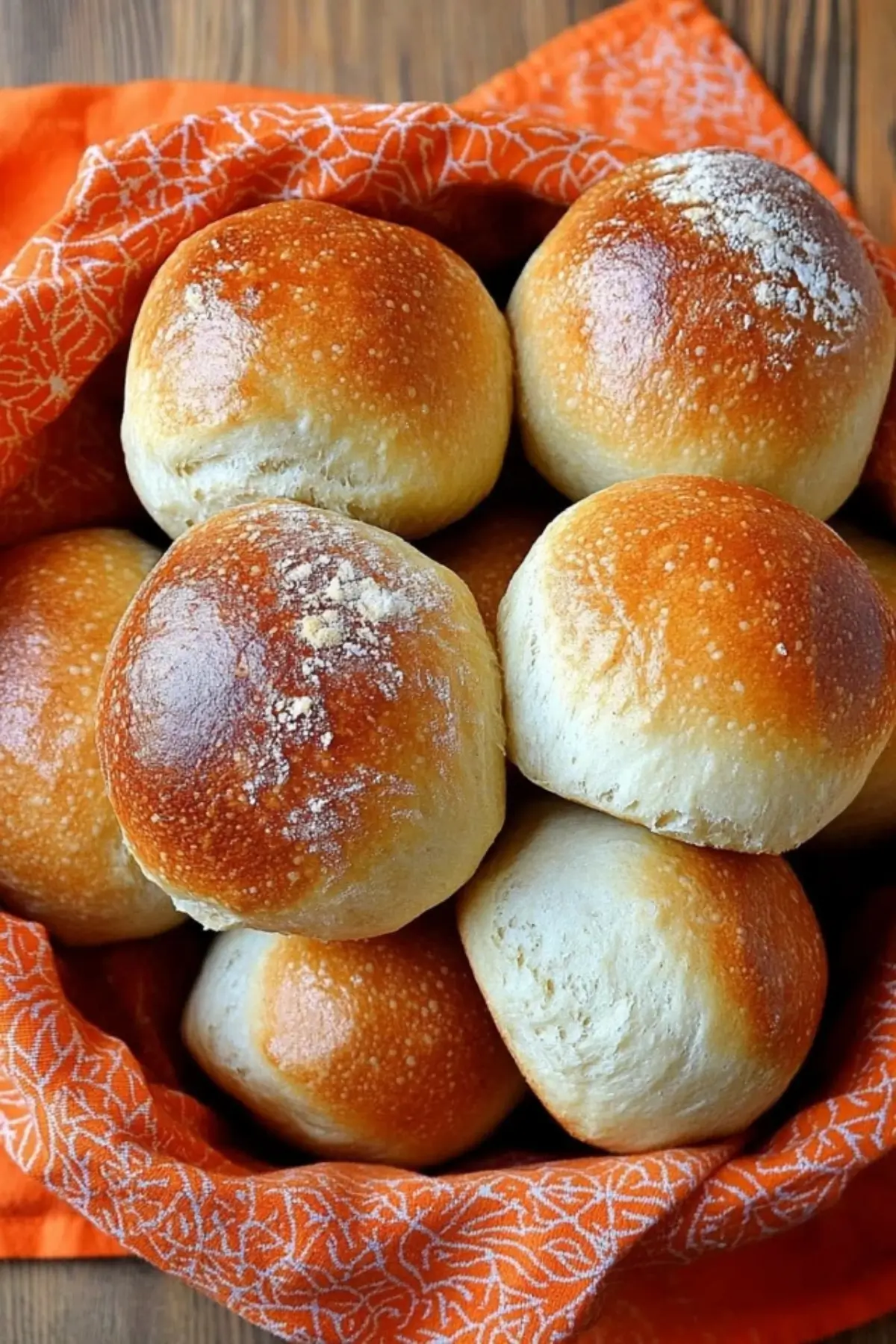
These Crusty Chewy French Bread Rolls are more than just a side—they’re a gateway into the world of homemade baking. What makes them special is their dual texture: a rustic, crusty exterior that gives way to a tender, chewy interior. Unlike enriched rolls packed with eggs or butter, these are lean and light, making them an excellent option for anyone looking for healthier bread. They’re also freezer-friendly, budget-conscious, and wildly versatile. Plus, the overnight refrigerator rise lets you prep ahead and bake fresh right before serving—ideal for busy schedules or meal planning.
Ingredients and Preparation
Warm Water
Serves as the base liquid to activate the yeast. It should be just warm to the touch—if it’s too hot, it could kill the yeast.
Active Dry Yeast
The leavening agent that helps the dough rise. Make sure it’s not expired, and always let it bloom in water first to ensure it’s alive and active.
Honey
Feeds the yeast, helping it foam up quickly. You can swap with sugar or maple syrup if desired.
All-Purpose Flour
Gives the rolls their structure. It provides the gluten that gives that classic chew. Bread flour can be used for a chewier texture, or a half-and-half mix with whole wheat flour for added fiber.
Salt
Brings out the flavor of the dough. Skipping salt will result in bland bread, so don’t forget it.
Butter (for greasing pans)
Adds flavor and helps the rolls release cleanly from the pan. You can use oil or cooking spray in a pinch.
Step-by-Step Instructions
Step 1
In a large mixing bowl (or a stand mixer fitted with a dough hook), combine warm water, yeast, and honey. Let it sit for 8 minutes, until the mixture looks foamy—this means your yeast is active.
Step 2
Add the flour and salt to the bowl. Knead the dough on medium speed (or by hand) for 8–10 minutes, until the dough becomes smooth and elastic and pulls away from the sides of the bowl.
Step 3
Transfer the dough to a lightly greased bowl, cover it with a towel or plastic wrap, and let it rise for 45 minutes in a warm spot.
Step 4
After the first rise, fold the dough onto itself from all four sides to form a square. Cover and let it rise again for another 45 minutes.
Step 5
Repeat the folding process once more and allow the dough to rise for an additional 30–45 minutes until doubled in size. This process realigns the gluten for better structure.
Step 6
Grease two 8-inch or 9-inch round cake pans (or a 9×13 pan) with butter. Divide the dough in half, then divide each half into 5 equal pieces to form 10 rolls.
Step 7
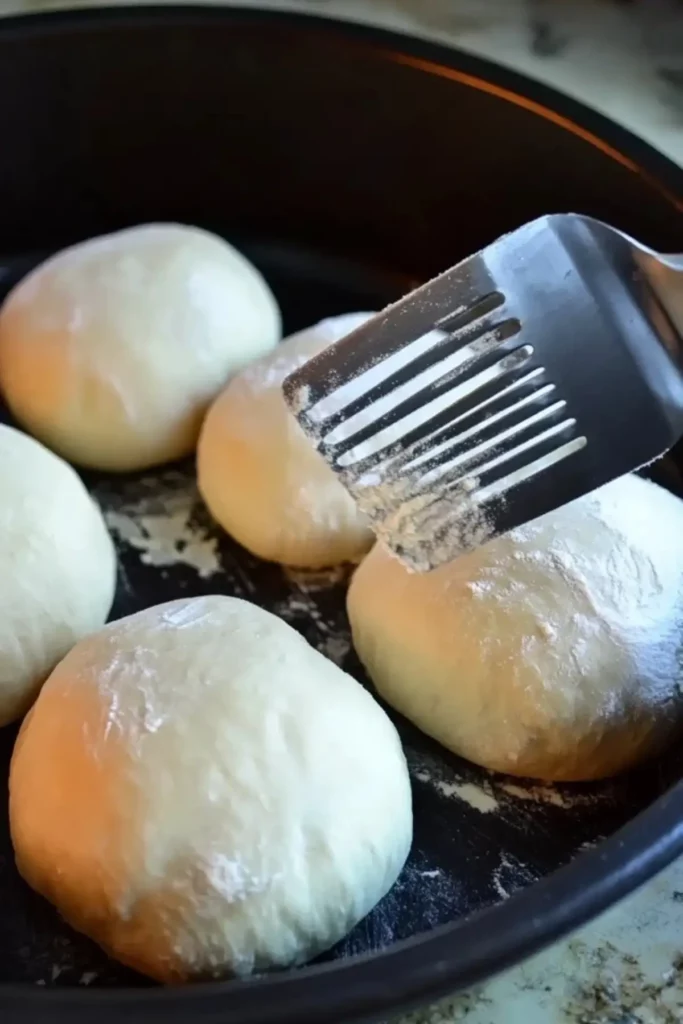
Shape each roll by tucking the edges underneath to create a smooth top. Place seam-side down in the greased pans—five per round pan.
Step 8
Cover the pans and place them in the refrigerator for at least 4 hours, or up to 2 days. This cold fermentation deepens flavor and improves texture.
Step 9
When ready to bake, preheat the oven to 500°F. Let the rolls sit at room temperature while the oven heats up, until they double in size.
Step 10
Just before placing them in the oven, mist the tops with water using a spray bottle (or flick water with your fingers). This helps develop that signature crust.
Step 11
Bake for 10 minutes at 500°F, then reduce the temperature to 400°F and bake for another 10–15 minutes, until the tops are golden brown and sound hollow when tapped.
Step 12
Remove from the oven and let them cool for 5 minutes before serving.
Beginner Tips and Notes
If your rolls are browning too fast, tent them loosely with foil during the second half of baking. If the dough seems too sticky during kneading, sprinkle a little more flour—but be cautious not to overdo it, or the rolls could become dense.
To save time, prep your ingredients before you start (mise en place). You can knead the dough by hand if you don’t have a mixer—it just takes a little extra elbow grease. No round pans? A rimmed sheet pan works just as well.
If your kitchen is cold, let the dough rise in the oven with the light on for a gently warm environment.
Serving Suggestions
These rolls are divine on their own with a smear of butter or dipped into olive oil and balsamic vinegar. Pair them with soups like tomato basil, chicken noodle, or lentil for a comforting meal. They also make excellent mini sandwiches with leftover roast meats or cheese spreads.
Store leftovers in an airtight container at room temperature for up to 2 days. To reheat, pop them in a 350°F oven for 5–7 minutes to restore their crust. For longer storage, freeze in a zip-top bag and thaw at room temp before reheating.
Conclusion
There’s no better feeling than pulling homemade bread from the oven—and these Crusty Chewy French Bread Rolls make that experience accessible to any beginner. They’re crunchy, chewy, and endlessly versatile, making them the perfect recipe for anyone starting their journey into baking. If you try this lemon herb chicken recipe as part of an easy sheet pan dinner or need quick and healthy meals for your week, these rolls will become a staple in your kitchen. Let me know how it goes in the comments—I’d love to hear about your baking wins!
FAQ About Crusty Chewy French Bread Rolls
Q1: Why are my French bread rolls not rising properly?
If your rolls aren’t rising, the yeast may be expired or the water may have been too hot, which can kill the yeast. Always ensure water is warm (not hot) and the yeast foams during the blooming step to confirm it’s active.
Q2: Can I make the dough ahead of time and bake later?
Yes. After shaping, you can refrigerate the rolls for at least 4 hours or up to 2 days. This cold fermentation enhances flavor and lets you bake fresh on your schedule.
Q3: How do I get the crusty exterior on the rolls?
The key is misting the rolls with water just before baking and using a high oven temperature (500°F initially). This creates steam that forms the crispy crust.
More Relevant Recipes
Print
Crusty Chewy French Bread Rolls
- Total Time: 7 hours 25 minutes
- Yield: 10 rolls 1x
- Diet: Vegetarian
Description
These beginner-friendly French bread dinner rolls are crusty on the outside and chewy inside—perfect for easy sheet pan dinners and healthy homemade meals.
Ingredients
- 1 cup warm water (under 110°F)
- 1 teaspoon active dry yeast
- 1/2 teaspoon honey
- 2 1/4 cups all-purpose flour
- 1 teaspoon salt
- Butter (for greasing pans)
Instructions
- In a mixing bowl, combine warm water, yeast, and honey. Let sit for 8 minutes until foamy.
- Add flour and salt. Knead on medium speed (or by hand) for 8–10 minutes until dough becomes smooth and elastic.
- Transfer dough to a greased bowl, cover, and let rise for 45 minutes.
- Fold the dough over itself from all four sides to form a square. Cover and let rise another 45 minutes.
- Repeat the folding process once more and let rise an additional 30–45 minutes until doubled in size.
- Grease two 8″ or 9″ round cake pans (or one 9×13 pan) with butter. Divide dough into 10 equal pieces.
- Shape each piece by tucking the edges under to form smooth, round rolls. Place seam-side down in greased pans.
- Cover and refrigerate for at least 4 hours or up to 2 days.
- Preheat oven to 500°F. Let rolls sit at room temperature until doubled in size while the oven preheats.
- Mist rolls with water just before baking. Bake for 10 minutes at 500°F, then reduce heat to 400°F and bake an additional 10–15 minutes until golden and hollow-sounding.
- Remove from oven and cool for 5 minutes before serving.
Notes
- If dough is too sticky, add a little more flour during kneading.
- Use a spray bottle or wet fingers to mist water for a crusty exterior.
- No round pans? A sheet pan works fine—just space the rolls evenly.
- For best results, use fresh yeast and ensure the water temperature is correct.
- Prep Time: 3 hours
- Cook Time: 25 minutes
- Category: Bread
- Method: Baking
- Cuisine: French
Nutrition
- Serving Size: 1 roll
- Calories: Approx. 140
- Sugar: 1g
- Sodium: 200mg
- Fat: 1g
- Saturated Fat: 0.5g
- Unsaturated Fat: 0.5g
- Trans Fat: 0g
- Carbohydrates: 28g
- Fiber: 1g
- Protein: 4g
- Cholesterol: 0mg