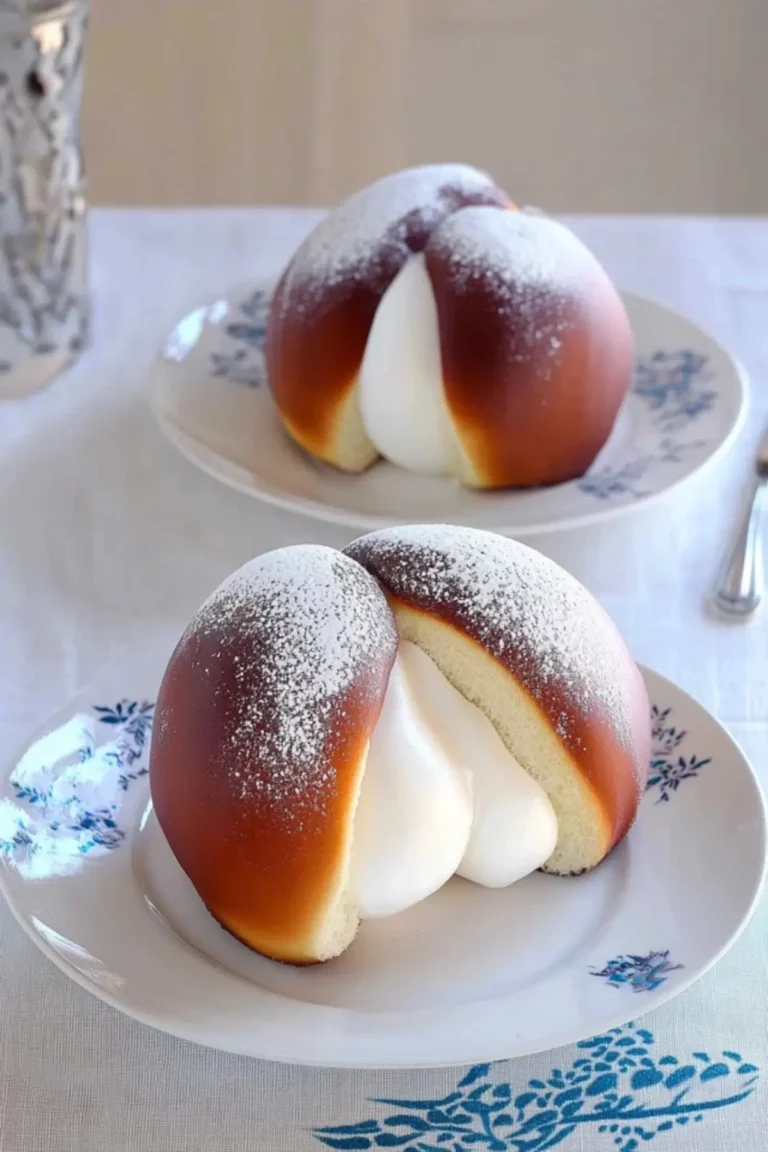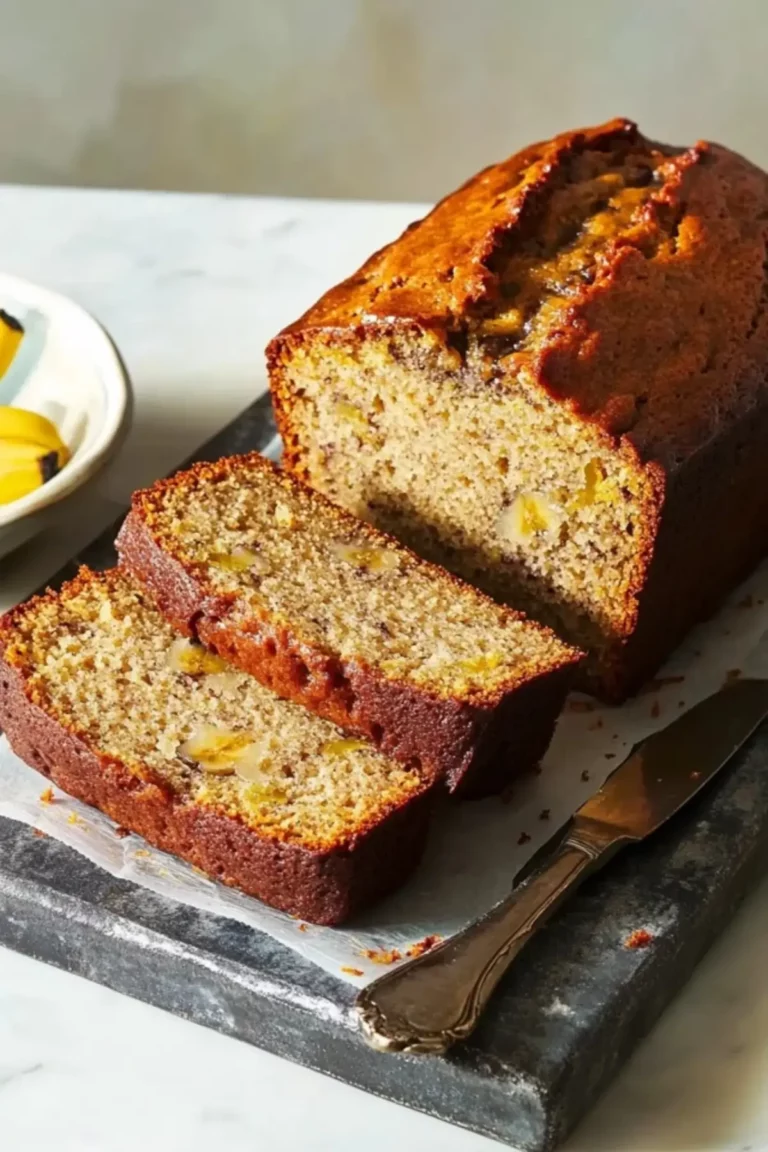
Irish scones are a delightful treat, perfect for any occasion. These buttery, light, and flaky scones are ideal for breakfast, brunch, or as a snack during afternoon tea. With a simple combination of flour, butter, and buttermilk, these scones come together in under 30 minutes, making them a quick and easy recipe to prepare. Whether served with jam, cream, or just a bit of butter, these Irish scones are a true delight for the senses.

Table of Contents
What Makes Irish Scones Special?
Irish scones are known for their light and tender texture, which comes from using cold butter and buttermilk in the dough. This simple yet perfect combination helps the scones rise beautifully, creating a golden, flaky exterior and a soft, airy interior. Not too sweet, these scones have just the right amount of flavor to pair perfectly with spreads like strawberry jam, clotted cream, or even butter. The best part? They are incredibly easy to make and come together quickly, making them a go-to recipe for anyone looking to bake something traditional and delicious in a short amount of time.
Ingredients for Irish Scones
To make the perfect batch of Irish scones, you’ll need a few key ingredients. Each one plays a vital role in achieving the scones’ signature texture and flavor.
• All-purpose flour: Provides the structure for the scones and helps create a light and flaky texture.
• Granulated sugar: Adds a hint of sweetness without overpowering the other ingredients.
• Baking powder: Helps the scones rise and become light and airy.
• Salt: Enhances the overall flavor of the scones and balances out the sweetness.
• Cold unsalted butter: The key to flaky scones; the cold butter creates pockets of air as it bakes.
• Large egg: Adds richness and helps bind the dough together.
• Buttermilk: The liquid that brings the dough together and gives the scones a slightly tangy flavor.
Alternative Ingredient Suggestions
If you’re missing some of the ingredients or have specific dietary preferences, here are some great substitutions:
• Buttermilk: If you don’t have buttermilk, you can substitute it with milk mixed with a little lemon juice or vinegar to mimic the tangy flavor.
• Unsalted butter: In a pinch, you can use salted butter, but reduce the amount of salt in the recipe.
• Gluten-free flour: For a gluten-free option, substitute the all-purpose flour with a gluten-free flour blend.
Step-by-Step Instructions for Making Irish Scones
Making Irish scones is incredibly simple. Follow these easy steps to bake up a batch of soft, golden scones:
- Preheat your oven to 400°F (200°C) and line a large baking sheet with parchment paper or lightly flour it.
- In a large bowl, combine the all-purpose flour, sugar, baking powder, and salt.
- Cut the cold butter into the flour mixture using a dough blender, two forks, or your fingers until the texture resembles coarse crumbs with pieces no larger than a pea.
- In a small bowl, beat the egg and ¾ cup of cold buttermilk together. Slowly add this mixture to the flour mixture, stirring gently with a spoon or your hands until the dough comes together. If the dough seems too dry, add more buttermilk, a tablespoon at a time.
- On a lightly floured surface, gently pat the dough into a circle about 1 inch thick. Use a 2.5-inch round cutter to cut out circles of dough.
- Place the scones onto the prepared baking sheet and brush the tops with additional buttermilk.
- Bake for 15–20 minutes, or until the scones are puffed and golden brown.
- Allow the scones to cool slightly before serving.
Tips & Tricks for Perfect Irish Scones
To ensure your Irish scones come out perfectly every time, keep these tips in mind:
• Don’t overmix the dough: Overworking the dough will result in tough scones, so mix just enough to bring the dough together.
• Use cold ingredients: Cold butter and buttermilk are key to creating flaky scones. If you need to step away from the dough for any reason, place it in the refrigerator to keep everything cool.
• Pat, don’t roll: Gently pat the dough into shape instead of rolling it out with a rolling pin to maintain the light, airy texture.
• Avoid twisting the cutter: When cutting out the scones, push the cutter straight down to avoid sealing the edges, which can prevent the scones from rising properly.
Pairing Ideas and Variations
Irish scones are versatile and can be paired with a variety of delicious toppings and accompaniments:
• Jam and cream: The classic pairing for Irish scones is strawberry jam and clotted cream or whipped cream.
• Butter: Simply spread with butter for a rich, comforting snack.
• Herbed scones: For a savory twist, add chopped herbs such as rosemary or thyme to the dough before baking.
• Dried fruits: For added sweetness and texture, fold in raisins, currants, or sultanas just before adding the wet ingredients.
Storage Tips
Irish scones are best eaten fresh, but if you have leftovers, store them in an airtight container at room temperature for up to two days. For longer storage, you can freeze unbaked scones. Simply place the cut-out dough onto a parchment-lined baking sheet and freeze until solid. Transfer to a freezer bag and bake from frozen for an extra few minutes when you’re ready to enjoy them.
Why You Should Make Irish Scones
Irish scones are not only delicious, but they also bring a piece of Ireland into your home. Whether you’re baking for a special occasion or just looking for a comforting treat to enjoy with your afternoon tea, this simple recipe will not disappoint. With minimal ingredients and a quick preparation time, Irish scones are the perfect solution for a satisfying, homemade snack.
Conclusion: Why You’ll Love Irish Scones
In conclusion, Irish scones are a must-try for anyone looking for a simple yet delicious recipe. Whether you’re an experienced baker or just starting out, these scones are easy to make and offer a comforting, homemade treat. Their light and flaky texture, paired with the rich flavor from the butter and buttermilk, make them an irresistible option for breakfast, brunch, or afternoon tea. Add your favorite toppings, and you’ve got a perfect snack for any occasion. So, gather your ingredients and try this classic Irish scone recipe today!
FAQ About Irish Scones
1. Can I use regular milk instead of buttermilk for Irish scones?
Yes, if you don’t have buttermilk on hand, you can substitute it with regular milk. To mimic the tangy flavor of buttermilk, simply add a tablespoon of lemon juice or vinegar to the milk and let it sit for a few minutes before using it in the recipe.
2. How can I make my Irish scones fluffier?
To make your Irish scones extra fluffy, ensure that your ingredients, especially the butter and buttermilk, are very cold. This helps the scones rise and become light and airy. Also, be careful not to overmix the dough, as this can result in dense scones.
3. Can I add fruit to my Irish scones?
Yes, you can add dried fruit like raisins, currants, or sultanas to your Irish scones. Just fold them into the dough before adding the wet ingredients to ensure they are evenly distributed throughout the dough.
More Relevant Recipes
Print
Irish Scones
- Total Time: 30-35 minutes
- Yield: 8 scones 1x
- Diet: Vegetarian
Description
Irish scones are light, flaky, and buttery treats, perfect for breakfast, brunch, or afternoon tea. With a simple combination of flour, butter, and buttermilk, they come together in under 30 minutes. These scones are delicious with butter, jam, or cream, offering a classic and comforting taste.
Ingredients
- 3 1/2 cups (440 grams) all-purpose flour
- 1/4 cup (50 grams) granulated sugar
- 1 1/2 tablespoons (16 grams) baking powder
- 1/4 teaspoon salt
- 8 tablespoons (113 grams) unsalted butter, cold and diced
- 1 large egg
- 3/4 to 1 cup (177–240 milliliters) buttermilk, cold
Instructions
- Preheat your oven to 400°F (200°C) and line a large baking sheet with parchment paper or lightly flour it.
- In a large bowl, combine the all-purpose flour, sugar, baking powder, and salt.
- Cut the cold butter into the flour mixture using a dough blender, two forks, or your fingers until the texture resembles coarse crumbs with pieces no larger than a pea.
- In a small bowl, beat the egg and ¾ cup of cold buttermilk together. Slowly add this mixture to the flour mixture, stirring gently with a spoon or your hands until the dough comes together. If the dough seems too dry, add more buttermilk, a tablespoon at a time.
- On a lightly floured surface, gently pat the dough into a circle about 1 inch thick. Use a 2.5-inch round cutter to cut out circles of dough.
- Place the scones onto the prepared baking sheet and brush the tops with additional buttermilk.
- Bake for 15–20 minutes, or until the scones are puffed and golden brown.
- Allow the scones to cool slightly before serving.
Notes
- Use cold butter and buttermilk for best results.
- Don’t overmix the dough to keep the scones light and flaky.
- If you need to step away from the dough, refrigerate it to keep everything cold.
- For a savory variation, add herbs like rosemary or thyme to the dough before baking.
- If you have leftover scones, store them in an airtight container for up to two days or freeze them for longer storage.
- Prep Time: 15 minutes
- Cook Time: 15-20 minutes
- Category: Breakfast, Brunch, Dessert
- Method: Baking
- Cuisine: Irish
Nutrition
- Serving Size: 1 scone
- Calories: 200
- Sugar: 5g
- Sodium: 150mg
- Fat: 10g
- Saturated Fat: 6g
- Unsaturated Fat: 3g
- Trans Fat: 0g
- Carbohydrates: 24g
- Fiber: 1g
- Protein: 3g
- Cholesterol: 35mg