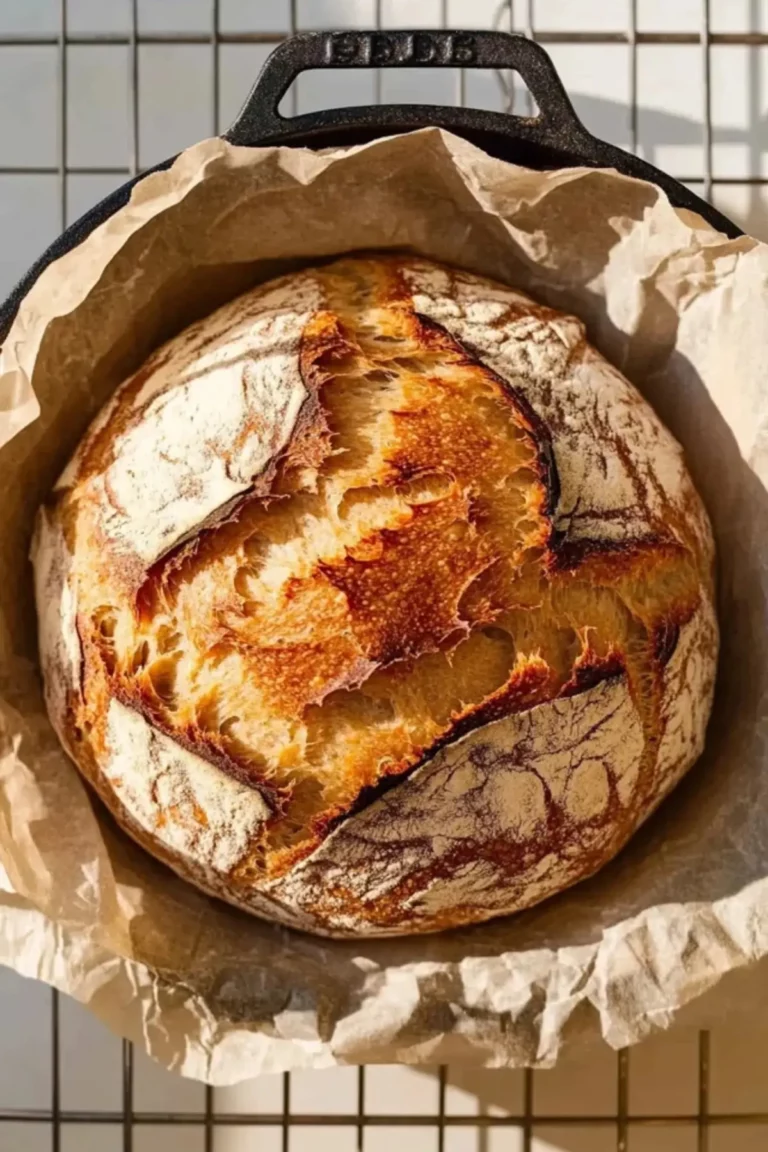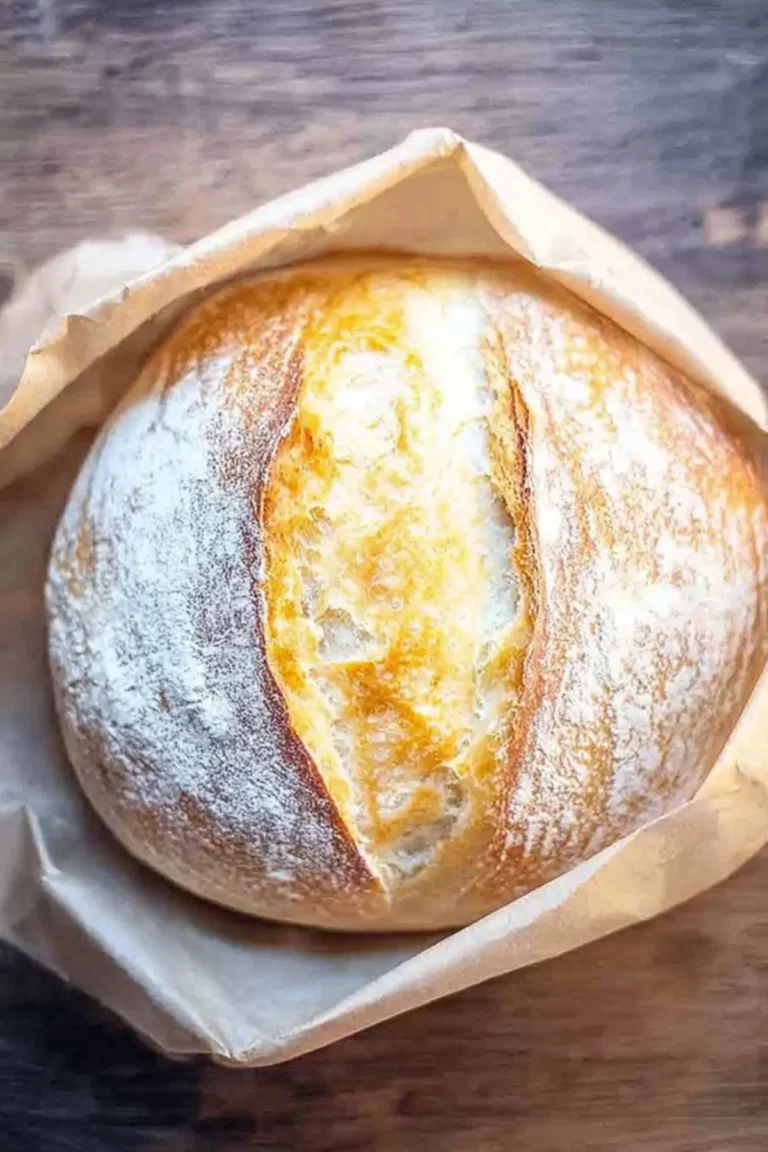
There’s something deeply satisfying about slicing into a warm, homemade loaf of bread. The first time I baked my own sourdough bread, I was nervous about the process—it felt like I was joining an exclusive club of seasoned bakers. But one bite into that soft, tangy interior with its golden, tender crust, and I knew I’d never look back. What began as a weekend experiment quickly became a weekly ritual, and now, I’m excited to help others feel the same joy I did.
This soft crust sourdough bread recipe is ideal for beginner bakers. It’s simple, flexible, and yields a wholesome, flavorful loaf that’s perfect for sandwiches, toast, or just enjoyed plain. Even better? It comes with gut-friendly benefits thanks to natural fermentation. If you’re on the hunt for an easy sheet pan dinner, this might not be it—but if you’re looking for quick and healthy meals in the form of fresh, nourishing bread, you’re in the right place.
Why This Soft Crust Sourdough Bread is Special
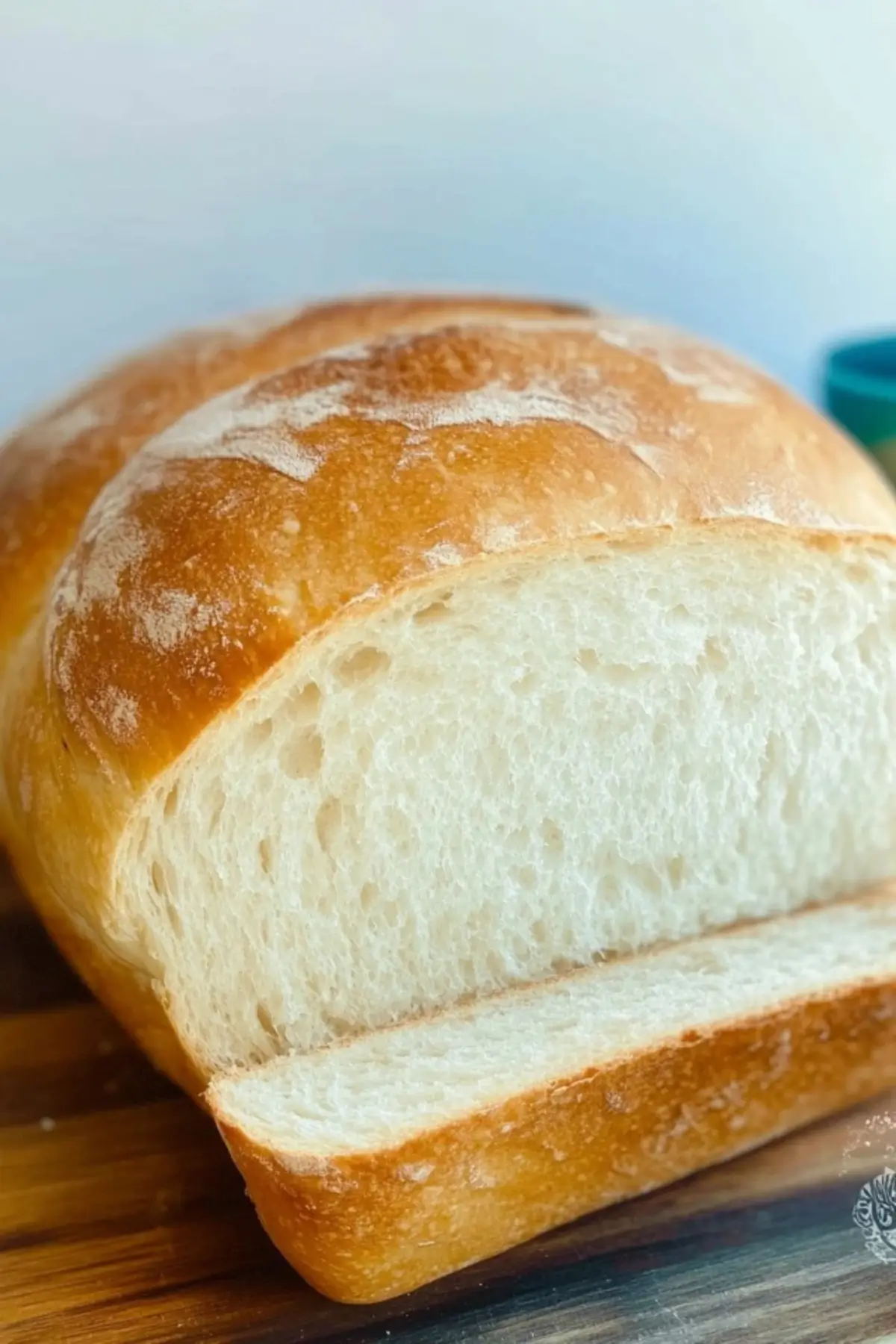
Soft Crust Sourdough Bread often seems intimidating because of its lengthy fermentation and the idea of maintaining a starter. But this version keeps things approachable. No fancy equipment is required (though a stand mixer does help), and the result is a soft, slightly chewy loaf with a delicate crust that’s ideal for sandwiches and toast.
Unlike typical crusty sourdough boules, this bread has a gentler exterior and a moist interior—thanks to ingredients like olive oil and honey. Plus, sourdough fermentation makes the bread easier to digest and gives it a richer nutritional profile, including probiotics and antioxidants. It’s a lemon herb chicken recipe for bread lovers: nourishing, uncomplicated, and something you’ll want to make again and again.
Ingredients and Preparation
Sourdough Starter
The heart of this bread. It brings the signature tangy flavor, natural leavening, and probiotic benefits. Make sure it’s active and bubbly before using.
Purified Water
Keeps the dough pure and supports healthy yeast growth. Tap water with high chlorine levels can interfere with fermentation.
Egg
Adds richness and tenderness to the crumb, making the bread extra soft. You can omit it for a slightly firmer loaf.
Olive Oil
Adds moisture, softness, and a subtle earthy flavor. Swap with melted coconut oil or canola oil if preferred.
Honey
Acts as food for the natural yeast and adds gentle sweetness. Molasses is a flavorful alternative, particularly if you like deeper, earthy notes.
Fine Sea Salt
Enhances flavor and controls yeast activity. Regular table salt works in a pinch, but avoid iodized salt if possible.
Unbleached All-Purpose Flour
Provides the structure and chew. You can experiment with half whole wheat flour for added fiber and nutrition, though the loaf will be denser.
Step-by-Step Instructions
Step 1
In a large mixing bowl or the bowl of a stand mixer with a dough hook, combine your active sourdough starter, purified water, egg, olive oil, honey, salt, and flour. Mix on low speed (or stir by hand with a spatula) until a shaggy dough forms.
Step 2
Knead the dough on low speed for about 8 minutes, or 10 minutes by hand, until it becomes smooth and elastic. You’ll know it’s ready when it passes the “windowpane test”—stretch a piece of dough between your fingers, and it should stretch thin without tearing.
Step 3
Shape the dough into a ball and place it in a lightly oiled bowl. Cover with a clean towel or plastic wrap and set in a warm, draft-free area to ferment for 6 hours. The dough should nearly double in size.
Step 4
Turn the proofed dough onto a greased or floured surface. Gently flatten it into a rectangle. Fold in the sides, then roll tightly into a log. Pinch the seams and ends closed.
Step 5
Place the dough, seam side down, into a greased 8.5×4.5-inch loaf pan. Cover loosely and let it rise again for 1.5 to 2 hours, or until the dough is about 1 inch above the edge of the pan.
Step 6
Preheat your oven to 350°F (175°C). Bake the loaf in the center of the oven for 25–30 minutes, or until golden and hollow-sounding when tapped.
Step 7
Remove from the oven, run a knife along the edges to loosen the loaf, and turn it out onto a cooling rack. Let it cool completely before slicing to avoid a gummy interior.

Beginner Tips and Notes
- Sticky Dough? If the dough feels too sticky while kneading, add a little flour—just a tablespoon at a time. Too much will make the bread dry.
- Crust Browning Too Fast? Loosely tent the loaf with foil during the last 10 minutes of baking.
- No Stand Mixer? Hand kneading works fine, but be prepared for a workout and sticky hands.
- Want to Bake Tomorrow? Let the dough rise overnight in the fridge during the first proof. Just bring it back to room temperature before shaping and baking.
- Cold Kitchen? Place your dough inside a turned-off oven with the light on for a warm proofing environment.
Serving Suggestions
- Breakfast: Toast slices and top with avocado, eggs, or nut butter.
- Lunch: Make a sourdough grilled cheese or turkey sandwich—its soft crumb holds fillings beautifully.
- Dinner: Serve alongside soups, stews, or salads as a hearty side.
Storage Tips:
Keep the loaf wrapped in foil or plastic wrap at room temperature for 5–7 days. Avoid refrigeration—it dries out the crumb. For longer storage, slice the loaf and freeze individual pieces in a zip-top bag for up to 3 months.
Conclusion
There’s a quiet magic in baking your own bread—and with this Soft Crust Sourdough Bread, it’s a joy that’s totally within reach. Whether you’re a curious beginner or just looking for quick and healthy meals that start with a slice of nourishing bread, this recipe is your new go-to. Give it a try, and let me know in the comments how your loaf turns out. Your kitchen is about to smell amazing.
FAQ About Soft Crust Sourdough Bread
Q1: Can I make this Soft Crust Sourdough Bread without a stand mixer?
Yes, absolutely. While a stand mixer makes kneading easier, you can knead the dough by hand. It will take about 10 minutes of steady kneading to develop the gluten properly.
Q2: How do I know if my sourdough starter is active and ready to use?
An active starter should be bubbly, double in size within 4–6 hours of feeding, and float in water when a spoonful is dropped in. If it doesn’t float, it’s best to feed it and wait a few more hours.
Q3: Why is my Soft Crust Sourdough Bread dense and not rising well?
This usually means the starter wasn’t strong enough, the proofing environment was too cold, or the dough was under-kneaded. Ensure your starter is fully active and the dough is well-fermented before baking.
More Relevant Recipes
Print
Soft Crust Sourdough Bread
- Total Time: 8 hours 15 minutes
- Yield: 14 servings 1x
- Diet: Vegetarian
Description
A soft crust sourdough bread recipe that’s beginner-friendly, easy to make, and perfect for sandwiches or toast with added health benefits from natural fermentation.
Ingredients
- 1 cup sourdough starter
- 1/2 cup purified water
- 1 large egg
- 1 tbsp olive oil
- 1 1/2 tbsp honey
- 1 tsp fine sea salt
- 2 3/4 cups unbleached all-purpose flour
Instructions
- In a large mixing bowl or stand mixer with dough hook, combine sourdough starter, water, egg, olive oil, honey, salt, and flour. Mix until a shaggy dough forms.
- Knead for 8–10 minutes until the dough becomes smooth and elastic. It should pass the windowpane test.
- Form dough into a ball and place in a lightly oiled bowl. Cover and let rise in a warm area for 6 hours until nearly doubled in size.
- Turn dough onto a greased surface, flatten into a rectangle, fold the sides in, and roll into a log. Pinch the seam and ends closed.
- Place the log seam-side down into a greased 8.5×4.5-inch loaf pan. Cover and proof until the dough rises about 1 inch above the pan, about 1.5–2 hours.
- Preheat oven to 350°F (175°C). Bake for 25–30 minutes until golden brown and it sounds hollow when tapped.
- Remove from oven, loosen edges with a knife, and transfer to a cooling rack. Let cool completely before slicing.
Notes
- If kneading by hand, expect it to take around 10 minutes.
- Proof the dough in the refrigerator overnight for convenience, but let it come to room temperature before shaping.
- Do not refrigerate baked bread—store at room temperature to maintain softness.
- Bread can be frozen for up to 3 months if wrapped well in plastic and stored in a ziplock bag.
- Prep Time: 15 minutes
- Cook Time: 30 minutes
- Category: Bread, Breakfast, Snack
- Method: Baking
- Cuisine: American
Nutrition
- Serving Size: 1 slice
- Calories: 126
- Sugar: 2g
- Sodium: 140mg
- Fat: 2.5g
- Saturated Fat: 0.5g
- Unsaturated Fat: 2g
- Trans Fat: 0g
- Carbohydrates: 22g
- Fiber: 1g
- Protein: 3g
- Cholesterol: 15mg