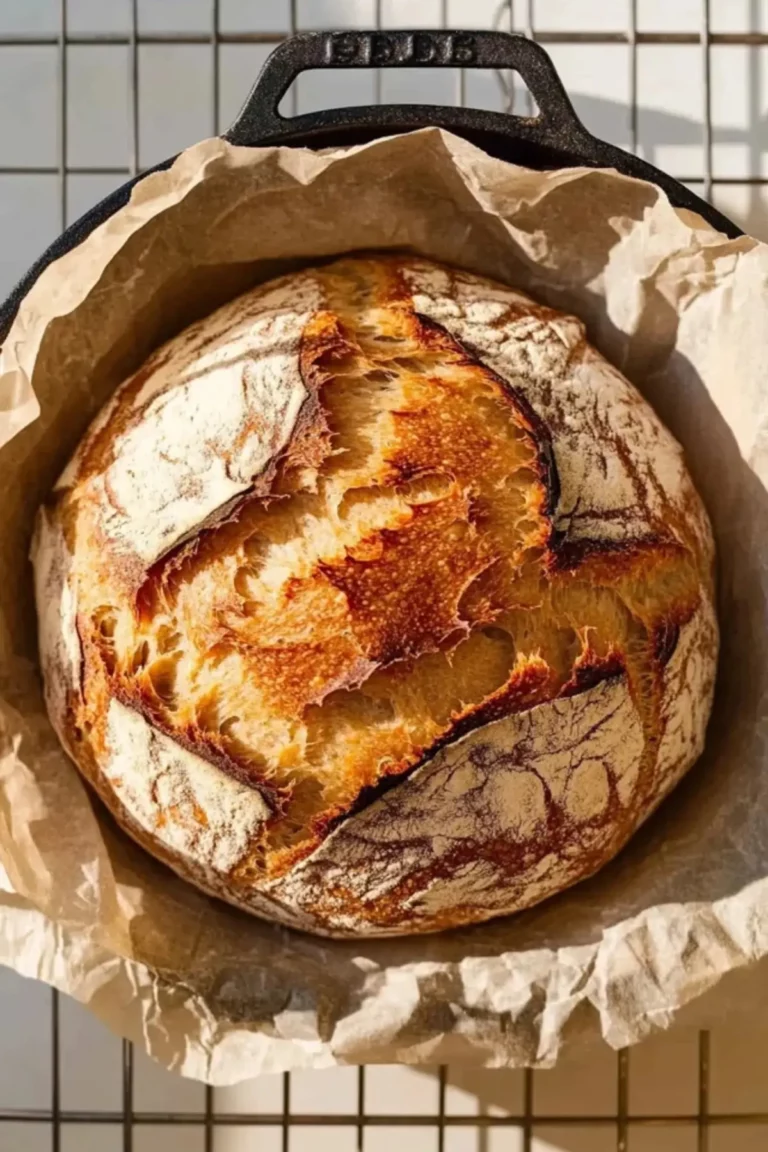
St Patrick’s Day Irish Soda Bread is a classic homemade bread that celebrates Irish tradition with simplicity and flavor. This rustic loaf is known for its tender crumb, golden crust, and incredibly easy preparation. Unlike traditional yeast breads, St Patrick’s Day Irish Soda Bread uses baking soda as the leavening agent, meaning there’s no waiting for dough to rise. With only a handful of pantry ingredients, you can create a hearty loaf that pairs perfectly with soups, stews, or a generous spread of butter. Whether you’re preparing a festive Irish meal or simply craving fresh homemade bread, St Patrick’s Day Irish Soda Bread is a comforting recipe that delivers bakery-quality results in under an hour.

Table of Contents
Why St Patrick’s Day Irish Soda Bread Is So Popular
St Patrick’s Day Irish Soda Bread has become a staple in many kitchens because of its simplicity and authentic flavor. This traditional Irish bread dates back to the 1800s when baking soda first became widely available. Irish families quickly adopted it as a practical way to bake bread without yeast.
One of the biggest reasons people love St Patrick’s Day Irish Soda Bread is how fast and approachable it is. Since it doesn’t require kneading for long periods or rising time, even beginner bakers can achieve excellent results.
Another reason this Irish soda bread recipe stands out is its rustic texture. The loaf forms a beautiful crust while remaining soft and tender inside. The signature cross cut into the top is not just decorative—it also helps the bread bake evenly.
St Patrick’s Day Irish Soda Bread is also incredibly versatile. It can be served for breakfast with jam, alongside savory dinners, or toasted the next day for a simple snack. Its mild tangy flavor from buttermilk complements both sweet and savory pairings.
Essential Ingredients for St Patrick’s Day Irish Soda Bread
Traditional St Patrick’s Day Irish Soda Bread uses just a few basic ingredients that work together to create its unique taste and texture.
• All-Purpose Flour: Forms the structure of the bread and creates the classic soft crumb found in Irish soda bread.
• Baking Soda: Acts as the leavening agent that makes St Patrick’s Day Irish Soda Bread rise without yeast.
• Kosher or Sea Salt: Enhances the flavor and balances the mild tang of the buttermilk.
• Buttermilk: Provides moisture, subtle tanginess, and activates the baking soda to create the bread’s lift.
These four ingredients are the foundation of traditional St Patrick’s Day Irish Soda Bread. Their simplicity is what makes the recipe both reliable and delicious.
Ingredient Substitutions and Variations
If you’re missing an ingredient, there are a few easy substitutions that still produce excellent St Patrick’s Day Irish Soda Bread.
If you don’t have buttermilk, you can create a quick substitute by adding vinegar or lemon juice to regular milk. Let the mixture sit for about five minutes before using it in the dough. This creates the acidity needed for proper rising.
For added flavor, some bakers include raisins or currants in their Irish soda bread. These add a touch of sweetness that pairs well with butter or marmalade.
Whole wheat flour can also replace part of the all-purpose flour to create a heartier version of St Patrick’s Day Irish Soda Bread with more fiber and a nutty flavor.
How to Make St Patrick’s Day Irish Soda Bread Step by Step
Making St Patrick’s Day Irish Soda Bread is incredibly simple, and the entire process takes less than 40 minutes from start to finish.
- Begin by preheating your oven to 425°F (220°C). Line a baking sheet with parchment paper so the loaf doesn’t stick during baking.
- In a large mixing bowl, combine the all-purpose flour, salt, and baking soda. Stir the dry ingredients thoroughly to ensure the baking soda is evenly distributed throughout the flour.
- Create a well in the center of the flour mixture. Slowly pour the buttermilk into the well.
- Mix the dough using a paddle attachment on a mixer or by hand with a spoon. Stir just until the dough comes together. The dough for St Patrick’s Day Irish Soda Bread should feel soft and slightly wet but not overly sticky.
- Lightly flour a work surface and turn the dough out onto it. Knead the dough gently three to four times. This step helps smooth the dough but should be kept minimal to avoid making the bread dense.
- Shape the dough into a round loaf about one to two inches thick. The rustic round shape is traditional for St Patrick’s Day Irish Soda Bread.
- Place the shaped dough onto the prepared baking sheet. Using a sharp knife, cut a deep cross across the top of the loaf from edge to edge. This classic step allows heat to penetrate the bread and helps it bake evenly.
- Bake the bread for 25 to 30 minutes until the crust becomes golden brown.
- To check for doneness, tap the bottom of the loaf. If it sounds hollow, your St Patrick’s Day Irish Soda Bread is ready.
- Allow the bread to cool slightly before slicing so the interior texture sets properly.
The result is a beautifully rustic loaf with a crisp crust and tender crumb.
Tips for Perfect St Patrick’s Day Irish Soda Bread
Even though St Patrick’s Day Irish Soda Bread is simple to make, a few helpful tips can ensure the best results every time.
Use the spoon-and-level method when measuring flour. Scooping flour directly with the measuring cup can pack it too tightly, resulting in dense bread.
Avoid overmixing the dough. Irish soda bread should be mixed just until the ingredients come together. Too much mixing can make the loaf tough.
Keep kneading minimal. Unlike yeast bread, St Patrick’s Day Irish Soda Bread only needs a few gentle kneads to shape the dough.
Cutting the cross in the top is important. This traditional step helps the loaf cook evenly and prevents the center from remaining underbaked.
Bake the bread immediately after forming the dough. The baking soda reacts with the buttermilk right away, so placing the loaf in the oven quickly ensures the best rise.
For an extra crispy crust, you can lightly dust the top of the dough with flour before baking.
Serving Ideas for St Patrick’s Day Irish Soda Bread
One of the reasons St Patrick’s Day Irish Soda Bread remains so popular is its versatility at the table. This rustic bread complements many different meals and flavors.
Serve slices warm with butter and fruit preserves for a traditional breakfast. Raspberry marmalade or strawberry jam pairs especially well with the mild tang of Irish soda bread.
St Patrick’s Day Irish Soda Bread also works beautifully alongside hearty dishes like beef stew, shepherd’s pie, or potato soup. The thick slices are perfect for soaking up rich broths and sauces.
For a savory option, toast leftover slices and top them with cheese or herb butter. The slightly crisp edges add wonderful texture.
If you’re hosting a St. Patrick’s Day celebration, serve St Patrick’s Day Irish Soda Bread with corned beef and cabbage. This combination creates a festive Irish-inspired meal that guests will love.
Creative Variations of Irish Soda Bread
While traditional St Patrick’s Day Irish Soda Bread contains only four ingredients, there are many delicious variations that add extra flavor and texture.
Adding raisins or currants creates a slightly sweet version that is common in many Irish-American households. This variation pairs especially well with tea or coffee.
Some bakers incorporate caraway seeds for a subtle herbal flavor. This ingredient adds a distinctive aroma and gives the bread a more complex taste.
For a richer loaf, a small amount of butter can be mixed into the dough. This creates a softer crumb while still maintaining the traditional structure of Irish soda bread.
You can also experiment with flavored versions of St Patrick’s Day Irish Soda Bread by adding orange zest, chopped nuts, or even shredded cheese for a savory twist.
These variations allow you to personalize the recipe while still preserving the essence of traditional Irish soda bread.
The Tradition Behind St Patrick’s Day Irish Soda Bread
St Patrick’s Day Irish Soda Bread carries a long history rooted in Irish home cooking. In rural Ireland, families often baked bread daily using simple ingredients they had on hand. Baking soda and buttermilk became essential because they were affordable and widely available.
The cross cut into the top of the bread has cultural significance as well. Many Irish households believed it would “let the fairies out” or bless the bread while it baked. While the tradition may be symbolic today, the cross still plays an important role in helping the loaf cook properly.
Today, St Patrick’s Day Irish Soda Bread remains a beloved symbol of Irish heritage and hospitality. Baking a loaf at home is a simple way to honor that tradition while enjoying fresh, comforting bread.
Whether served with a hearty dinner or enjoyed as a morning treat, St Patrick’s Day Irish Soda Bread continues to bring people together around the table. Its rustic charm, quick preparation, and satisfying flavor make it a recipe worth returning to year after year.
Conclusion
St Patrick’s Day Irish Soda Bread is one of the easiest and most rewarding homemade breads you can bake. With only a few pantry staples and no yeast required, this rustic loaf comes together quickly while delivering a deliciously crisp crust and tender interior. The simple preparation makes it perfect for beginner bakers, yet its traditional flavor and hearty texture make it a favorite for experienced home cooks as well.
Whether you serve St Patrick’s Day Irish Soda Bread with butter and jam for breakfast, alongside a bowl of soup for lunch, or as part of a festive Irish dinner, it always brings comfort and warmth to the table. The classic round shape and signature cross on top give the bread its rustic charm while helping it bake evenly.
Another reason many families return to St Patrick’s Day Irish Soda Bread year after year is its versatility. You can keep the traditional four-ingredient version for authenticity or experiment with additions like raisins, seeds, or whole wheat flour to create your own variation.
Baking St Patrick’s Day Irish Soda Bread at home is more than just making bread—it’s about celebrating Irish culinary heritage with a recipe that is simple, wholesome, and deeply satisfying. Once you try this easy soda bread recipe, it will likely become a go-to favorite not only for St. Patrick’s Day but throughout the year.
Frequently Asked Questions About St Patrick’s Day Irish Soda Bread
Why is there a cross on St Patrick’s Day Irish Soda Bread?
The cross cut into the top of St Patrick’s Day Irish Soda Bread serves both a practical and traditional purpose. From a baking perspective, it allows heat to reach the center of the loaf so it cooks evenly. Traditionally in Ireland, the cross was believed to bless the bread or let out any bad spirits while baking. Today, it remains a defining feature of authentic Irish soda bread.
Can I make St Patrick’s Day Irish Soda Bread without buttermilk?
Yes, you can easily substitute buttermilk if you don’t have it on hand. To make a quick replacement for St Patrick’s Day Irish Soda Bread, add about 1 tablespoon of vinegar or lemon juice to a measuring cup and fill the rest with milk. Let it sit for five minutes before using. This mixture mimics the acidity of buttermilk, which activates the baking soda and helps the bread rise properly.
How should I store St Patrick’s Day Irish Soda Bread?
St Patrick’s Day Irish Soda Bread is best enjoyed fresh on the day it’s baked, but it can be stored for later. Wrap the cooled loaf tightly in plastic wrap or place it in an airtight container at room temperature for up to two days. For longer storage, slice the bread and freeze it in a sealed bag for up to two months. Toasting frozen slices brings back the bread’s wonderful texture.
More Relevant Recipes
- Cottage Cheese Bagels – Easy High-Protein Homemade Bagels
- Greek Yogurt Bagels (Easy, High-Protein, No Yeast)
- Best Raspberry Swirl Brioche Recipe

St Patrick’s Day Irish Soda Bread
- Total Time: 38 minutes
- Yield: 1 loaf 1x
- Diet: Vegetarian
Description
St Patrick’s Day Irish Soda Bread is a traditional no-yeast bread made with simple pantry ingredients. This rustic Irish loaf has a crisp golden crust and a soft, tender interior with a subtle tang from buttermilk. Perfect for serving with soups, stews, breakfast spreads, or a festive St. Patrick’s Day meal, this easy homemade soda bread comes together in under 40 minutes.
Ingredients
- 3 2/3 cups all-purpose flour
- 1 teaspoon kosher or sea salt
- 1 teaspoon baking soda
- 1 3/4 cups buttermilk
- Extra flour for dusting the work surface
Instructions
- Preheat the oven to 425°F (220°C) and line a baking sheet with parchment paper.
- In a large mixing bowl, whisk together the all-purpose flour, salt, and baking soda until evenly combined.
- Create a well in the center of the dry ingredients and pour the buttermilk into the middle.
- Mix gently using a spoon or mixer until the dough just comes together. The dough should be soft and slightly wet but not overly sticky.
- Transfer the dough onto a lightly floured surface and knead gently 3–4 times to smooth the dough.
- Shape the dough into a round loaf about 1–2 inches thick.
- Place the loaf onto the prepared baking sheet and use a sharp knife to cut a deep cross across the top of the dough.
- Bake for 25–30 minutes until the crust is golden brown.
- Check doneness by tapping the bottom of the loaf. If it sounds hollow, the bread is ready.
- Allow the bread to cool slightly before slicing and serving.
Notes
- If you do not have buttermilk, mix 1 tablespoon vinegar or lemon juice with milk and let it sit for 5 minutes before using.
- Avoid overmixing the dough to keep the bread light and tender.
- Measure flour using the spoon-and-level method to prevent dense bread.
- The cross cut on top helps the bread bake evenly and gives it a traditional appearance.
- Store leftover soda bread in an airtight container for up to 2 days or freeze sliced portions for up to 2 months.
- Prep Time: 10 minutes
- Cook Time: 28 minutes
- Category: Bread
- Method: Baking
- Cuisine: Irish
Nutrition
- Serving Size: 1 slice
- Calories: 180 kcal
- Sugar: 2 g
- Sodium: 280 mg
- Fat: 1.5 g
- Saturated Fat: 0.5 g
- Unsaturated Fat: 0.8 g
- Trans Fat: 0 g
- Carbohydrates: 36 g
- Fiber: 1.5 g
- Protein: 6 g
- Cholesterol: 3 mg