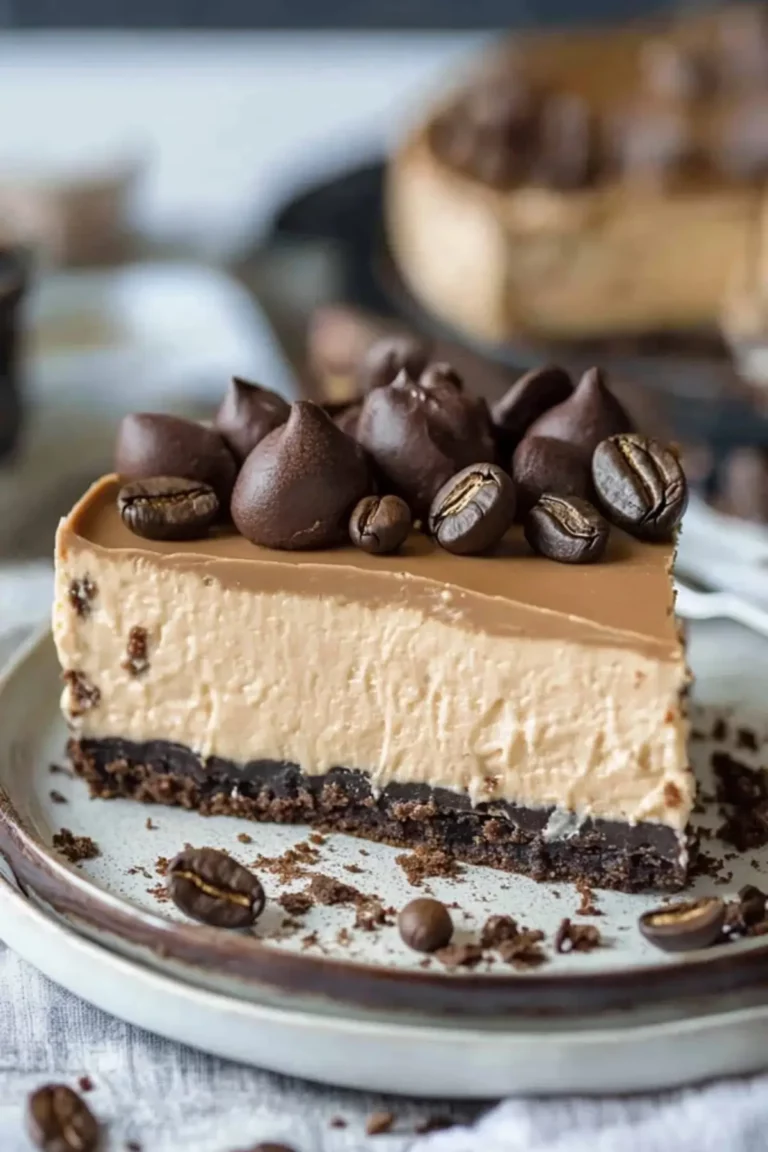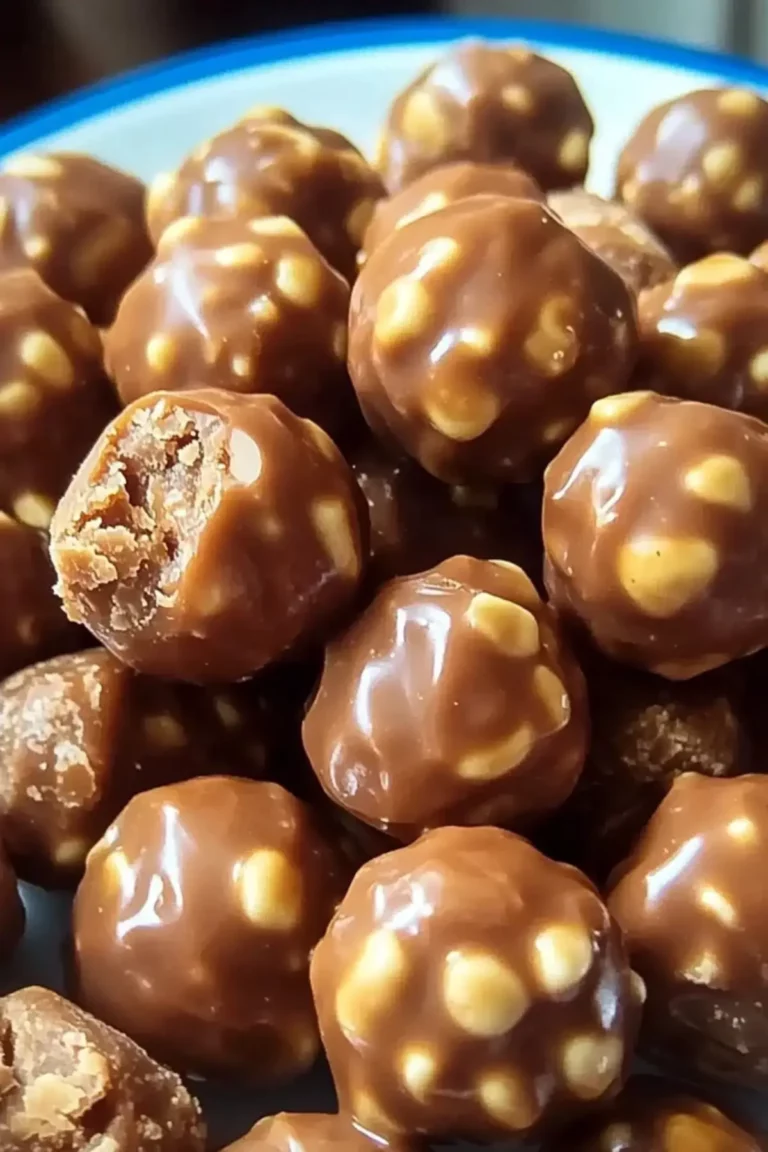
Valentine’s Chocolate Bark is one of the easiest and most delightful treats you can make for the season of love. With rich melted chocolate, colorful toppings, and endless customization options, this sweet snack is both beautiful and delicious. Whether you’re preparing a homemade gift, a festive dessert for a party, or a fun kitchen project with kids, Valentine’s Chocolate Bark delivers impressive results with minimal effort. The combination of creamy chocolate and crunchy toppings creates a perfect balance of flavor and texture that feels special yet incredibly simple to prepare.
Another reason people love Valentine’s Chocolate Bark is its versatility. You can decorate it with sprinkles, candies, nuts, or dried fruit to match your taste and the holiday theme. Because it requires no baking and only a few ingredients, this treat is ideal for beginners and experienced home cooks alike. Once you learn the basics of making Valentine’s Chocolate Bark, you’ll find yourself returning to it year after year as a festive and crowd-pleasing dessert.

Table of Contents
Why Valentine’s Chocolate Bark Is the Perfect Holiday Treat
Valentine’s Chocolate Bark stands out as a simple yet impressive dessert that captures the spirit of the holiday. Unlike complicated baked goods, this recipe requires only melting chocolate and adding toppings, making it accessible even for beginners.
One of the biggest advantages of Valentine’s Chocolate Bark is how quickly it comes together. Most versions take less than 30 minutes to prepare, and the refrigerator does the rest of the work. This makes it perfect for last-minute desserts or edible gifts.
Another reason people adore Valentine’s Chocolate Bark is its visual appeal. The glossy chocolate base decorated with pink, red, and white toppings creates a beautiful treat that instantly feels festive. Whether you’re making a dessert platter, party snack, or gift bag filler, this colorful chocolate bark fits perfectly into Valentine’s Day celebrations.
In addition, Valentine’s Chocolate Bark is incredibly customizable. You can use dark chocolate, milk chocolate, or white chocolate and mix in toppings like crushed cookies, heart-shaped candies, or freeze-dried berries. This flexibility ensures everyone can enjoy a version of Valentine’s Chocolate Bark that suits their taste.
Essential Ingredients for Valentine’s Chocolate Bark
Creating Valentine’s Chocolate Bark requires only a few simple ingredients, but each one contributes to the flavor, texture, and festive appearance.
• Chocolate chips or chocolate bars: The base of Valentine’s Chocolate Bark. Milk chocolate offers sweetness, dark chocolate adds richness, and white chocolate provides a creamy contrast.
• White chocolate: Often used as a drizzle or secondary layer to create decorative swirls and visual contrast.
• Valentine’s sprinkles: Add color and festive charm while giving the bark a slight crunchy texture.
• Candy hearts or chocolate candies: These decorative candies make the bark look themed and fun for Valentine’s Day.
• Crushed cookies: Provide a satisfying crunch and add extra flavor to the chocolate bark.
• Dried strawberries or raspberries: Introduce a fruity sweetness and a slight tartness that balances the rich chocolate.
• Sea salt flakes: A small sprinkle enhances the chocolate flavor and adds a gourmet touch.
• Mini marshmallows: Soft, sweet bites that create a fun texture in Valentine’s Chocolate Bark.
• Colored sugar crystals: Add sparkle and a slight crunch that makes the bark visually appealing.
Alternative Ingredient Suggestions
Valentine’s Chocolate Bark is easy to adapt depending on dietary needs or ingredient availability.
If you prefer a richer flavor, swap milk chocolate for dark chocolate. Dark chocolate gives Valentine’s Chocolate Bark a more sophisticated taste and pairs beautifully with tart fruits.
For a dairy-free version, choose vegan chocolate chips or dairy-free chocolate bars. Many high-quality brands melt smoothly and work perfectly for chocolate bark recipes.
If candy hearts are unavailable, try chopped chocolate truffles, caramel bits, or chocolate-covered almonds. These alternatives still deliver texture and sweetness while keeping the bark festive.
You can also replace traditional sprinkles with freeze-dried berries or coconut flakes for a more natural topping option. These ingredients add both color and flavor while keeping Valentine’s Chocolate Bark visually appealing.
Step-by-Step Instructions for Valentine’s Chocolate Bark
- Begin by preparing a baking sheet with parchment paper. This prevents the chocolate from sticking and makes it easy to remove the Valentine’s Chocolate Bark once it sets.
- Melt the main chocolate base using either a microwave or a double boiler. If using a microwave, heat the chocolate in 20–30 second intervals, stirring each time until fully smooth and glossy. Avoid overheating to prevent the chocolate from seizing.
- Pour the melted chocolate onto the prepared baking sheet. Use a spatula to spread it into an even layer about ¼ inch thick. This layer forms the base of the Valentine’s Chocolate Bark.
- Melt the white chocolate separately using the same gentle method. Once smooth, drizzle it over the chocolate base in thin lines.
- Use a toothpick or knife to swirl the two chocolates together slightly. This creates a marbled effect that makes Valentine’s Chocolate Bark visually beautiful.
- Immediately sprinkle the toppings over the melted chocolate. Add Valentine’s sprinkles, candy hearts, crushed cookies, mini marshmallows, and dried fruit evenly across the surface.
- Lightly press larger toppings into the chocolate so they stick properly when the bark sets.
- If desired, sprinkle a small pinch of sea salt over the top. The salt enhances the sweetness and gives Valentine’s Chocolate Bark a balanced flavor.
- Transfer the baking sheet to the refrigerator and allow the chocolate to set for about 30–45 minutes.
- Once fully hardened, remove the chocolate slab and break it into irregular pieces using your hands or a knife. These rustic shards are what give Valentine’s Chocolate Bark its signature appearance.
- Serve immediately or store the pieces in an airtight container until ready to enjoy.
Tips for Perfect Valentine’s Chocolate Bark
Although Valentine’s Chocolate Bark is simple to make, a few helpful tips can ensure perfect results every time.
Use high-quality chocolate whenever possible. Since chocolate is the main ingredient, better chocolate results in richer flavor and smoother texture.
Avoid adding toppings too late. If the chocolate begins to harden before toppings are added, they may not stick properly. Always decorate while the chocolate is still melted.
Keep the chocolate layer even. Spreading the chocolate evenly ensures that each piece of Valentine’s Chocolate Bark has the right balance of toppings and chocolate.
Do not overheat the chocolate. Gentle melting helps maintain a glossy finish and smooth consistency. Burned chocolate can become thick and grainy.
For storage, keep Valentine’s Chocolate Bark in an airtight container at room temperature for up to one week. If your kitchen is warm, storing it in the refrigerator helps maintain its texture.
If giving Valentine’s Chocolate Bark as a gift, package the pieces in decorative bags or boxes lined with parchment paper. This keeps them fresh and makes them look beautiful for gifting.
Pairing Ideas and Creative Variations
Valentine’s Chocolate Bark can easily be paired with other desserts or adapted into new variations depending on your preferences.
For a dessert platter, serve Valentine’s Chocolate Bark alongside chocolate-covered strawberries, sugar cookies, and mini cupcakes. The combination creates a festive and colorful Valentine’s Day spread.
If you enjoy a richer flavor profile, try layering dark chocolate and white chocolate together. This creates a dramatic contrast while adding depth to the taste of your chocolate bark.
A nutty variation can be made by adding chopped almonds, pistachios, or pecans. Nuts add crunch and pair wonderfully with the sweetness of the chocolate.
You can also create a cookies-and-cream version by mixing crushed chocolate sandwich cookies into the bark. This twist gives Valentine’s Chocolate Bark an indulgent flavor that many people love.
For a fruity version, sprinkle freeze-dried raspberries, strawberries, or cherries across the chocolate. The tartness complements the sweetness and makes the bark feel slightly lighter.
Valentine’s Chocolate Bark is also perfect for make-ahead desserts. Because it stores well, you can prepare it several days before a party or celebration without losing freshness.
The Joy of Making Valentine’s Chocolate Bark at Home
One of the most rewarding aspects of Valentine’s Chocolate Bark is how simple it is to create something that looks and tastes special. Even beginner cooks can produce beautiful results with minimal effort.
Making Valentine’s Chocolate Bark at home also allows you to control the ingredients and customize flavors exactly to your liking. Whether you prefer dark chocolate with berries or milk chocolate with candy toppings, the possibilities are endless.
This recipe is also a wonderful activity to share with family or children. Kids enjoy sprinkling colorful toppings, breaking the bark into pieces, and helping package it for gifts.
Because Valentine’s Chocolate Bark is quick, festive, and endlessly adaptable, it has become a favorite holiday dessert for many households. Its combination of creamy chocolate, crunchy toppings, and bright decorations perfectly captures the joy and sweetness of Valentine’s Day.
Conclusion
Valentine’s Chocolate Bark is the perfect combination of simplicity, creativity, and irresistible flavor. With just a few ingredients and minimal preparation time, you can create a festive treat that looks beautiful and tastes delicious. The smooth layers of melted chocolate paired with colorful toppings make Valentine’s Chocolate Bark a standout dessert for celebrations, gift boxes, or casual sweet cravings.
Another reason this recipe continues to be a favorite is its flexibility. You can easily customize Valentine’s Chocolate Bark with different chocolates, candies, fruits, or nuts to match your personal taste. Whether you prefer rich dark chocolate, creamy milk chocolate, or sweet white chocolate, the recipe adapts effortlessly.
Because it requires no baking and very little equipment, Valentine’s Chocolate Bark is also a great option for beginners or families cooking together. Kids love adding sprinkles and candies, while adults appreciate how quickly the dessert comes together.
If you’re looking for a festive, homemade dessert that feels thoughtful without being complicated, Valentine’s Chocolate Bark is an excellent choice. Once you try making it at home, it may quickly become one of your favorite Valentine’s Day traditions.
Frequently Asked Questions About Valentine’s Chocolate Bark
How long does Valentine’s Chocolate Bark last?
Valentine’s Chocolate Bark can last up to one week when stored in an airtight container at room temperature. If your kitchen is warm, storing the chocolate bark in the refrigerator can help maintain its texture and prevent melting. For the best flavor and freshness, keep the bark away from direct heat and sunlight.
Can I use different types of chocolate for Valentine’s Chocolate Bark?
Yes, you can use milk chocolate, dark chocolate, white chocolate, or a combination of all three. Many people enjoy creating layered or marbled effects using multiple chocolates. Mixing different varieties adds visual appeal and enhances the flavor of your Valentine’s Chocolate Bark.
Why did my Valentine’s Chocolate Bark turn out soft?
Soft Valentine’s Chocolate Bark usually happens when the chocolate hasn’t fully set or when the room temperature is too warm. To fix this, place the bark in the refrigerator for about 30–45 minutes until the chocolate becomes firm. Using high-quality chocolate can also help achieve a better texture.
More Relevant Recipes
Print
Valentine’s Chocolate Bark
- Total Time: 45 minutes
- Yield: 12 servings 1x
- Diet: Vegetarian
Description
Valentine’s Chocolate Bark is a quick and festive no-bake dessert made with melted chocolate and colorful toppings like sprinkles, candy hearts, and dried fruit. This easy homemade treat is perfect for Valentine’s Day parties, edible gifts, or a fun kitchen activity with kids. The combination of creamy chocolate and crunchy toppings makes every bite rich, sweet, and irresistible.
Ingredients
- 2 cups milk chocolate chips
- 1 cup white chocolate chips
- 1/4 cup Valentine’s sprinkles
- 1/4 cup candy hearts or chocolate candies
- 1/4 cup crushed chocolate cookies
- 2 tablespoons dried strawberries or raspberries
- 2 tablespoons mini marshmallows
- 1 tablespoon colored sugar crystals
- 1/2 teaspoon flaky sea salt (optional)
Instructions
- Line a baking sheet with parchment paper to prevent the chocolate from sticking.
- Place the milk chocolate chips in a microwave-safe bowl and melt in 20–30 second intervals, stirring between each interval until smooth.
- Pour the melted milk chocolate onto the prepared baking sheet and spread it evenly with a spatula to about 1/4 inch thickness.
- Melt the white chocolate chips in a separate bowl using the same microwave method, stirring frequently until smooth.
- Drizzle the melted white chocolate over the milk chocolate layer to create decorative lines.
- Use a toothpick or knife to gently swirl the two chocolates together to create a marbled effect.
- Immediately sprinkle the Valentine’s sprinkles, candy hearts, crushed cookies, dried fruit, mini marshmallows, and sugar crystals evenly across the surface.
- Lightly press larger toppings into the chocolate so they adhere properly.
- Sprinkle flaky sea salt over the bark if desired for a sweet and salty balance.
- Place the baking sheet in the refrigerator for 30–45 minutes until the chocolate is completely firm.
- Remove the hardened chocolate from the parchment paper and break it into irregular pieces.
- Serve immediately or store in an airtight container until ready to enjoy.
Notes
- Use high-quality chocolate for the best flavor and smooth melting.
- Add toppings while the chocolate is still melted so they stick properly.
- Store the bark in an airtight container at room temperature for up to one week.
- If the kitchen is warm, keep the chocolate bark in the refrigerator to prevent melting.
- Customize the toppings with nuts, freeze-dried fruit, or caramel bits for different flavor variations.
- Prep Time: 10 minutes
- Cook Time: 5 minutes
- Category: Dessert
- Method: No-Bake
- Cuisine: American
Nutrition
- Serving Size: 1 piece
- Calories: 180
- Sugar: 18g
- Sodium: 35mg
- Fat: 10g
- Saturated Fat: 6g
- Unsaturated Fat: 3g
- Trans Fat: 0g
- Carbohydrates: 22g
- Fiber: 1g
- Protein: 2g
- Cholesterol: 5mg