I started making this watermelon lemonade the summer I had too much melon and too little patience. It became my go-to because it’s fast, bright, and needs nothing more than a blender and a pitcher — no juicer required. I like that it uses simple pantry staples and comes together while the grill heats up.

I keep a bowl of cubed watermelon in my fridge all summer; turning the leftovers into lemonade is my favorite way to prevent waste and make something people actually ask for seconds of. The color alone — a luminous, pale-pink — makes it feel special, and the flavor is clean: sweet watermelon, bright lemon, and a tiny pinch of salt to sharpen the fruit.
I tested a few small changes in my kitchen and I’ll share the ones that mattered: how to squeeze the most juice with a blender, how to avoid a watered-down finish, and a few quick variations you can make without extra equipment.
Beat the Heat Fast with Watermelon Lemonade
Watermelon lemonade is one of the quickest refreshments you can pull together on a hot day. Ripe watermelon brings natural sweetness and a cooling mouthfeel; fresh lemon juice adds the bright counterpoint that keeps the drink lively. With only three core components, this recipe is designed for speed and maximum refreshment.
Because you don’t need a juicer, the prep time is mostly just cutting and blending — the blender does the heavy lifting. The result is a drink that looks like summer in a glass: translucent pink, dotted with tiny bubbles if you give it a quick stir, and best served very cold.
What You’ll Need for Watermelon Lemonade
Below I discuss each ingredient in plain terms so you can swap what you have on hand and still get a great result. I avoid exact measurements here so you can scale the quantities to your batch size.
- Fresh Watermelon – The backbone of the drink. Use ripe, seedless if possible; it supplies the juice and most of the sweetness. If your melon is under-ripe, the drink will need more sweetener.
- Fresh Lemon Juice – Brings acidity and lift. Fresh-squeezed lemons taste brighter than bottled options; choose lemons that feel heavy for their size.
- Sweetener (Granulated Sugar, Honey, Agave, etc.) – Balances the tart lemon. You can swap granulated sugar for honey or agave for a different flavor note, or use a zero-calorie sweetener if you prefer less sugar.
- Water – Tones down intensity and adjusts body. Use still or sparkling water depending on whether you want a fizzy finish.
- Sea Salt – Just a pinch sharpens fruit flavors and prevents the lemonade from tasting flat.
How to Prepare Watermelon Lemonade
- Cut the watermelon into chunks that fit your blender and blend until the flesh is fully broken down into a smooth purée.
- Strain the purée through a fine-mesh sieve, nut milk bag, or cheesecloth into a pitcher to remove seeds and most pulp for a clean pour.
- Add freshly squeezed lemon juice, your chosen sweetener, a small pinch of sea salt, and cold water to the strained juice. Stir until the sweetener dissolves and taste.
- Adjust: add more lemon for zip, more sweetener for balance, or more water if it’s too intense. Chill thoroughly or serve over ice.
- For visual learners: I include step-by-step photos and a short demo video in the recipe post to show blending speed, straining technique, and how I test sweetness — check those if you want to follow along visually.
Avoid Watery or Bland Lemonade — Getting the Sweetness Right
Balancing this lemonade is about tasting as you go. Watermelon varies a lot from melon to melon, so what worked for me may need small tweaks in your kitchen. The key is to layer flavors — fruit first, then acid, then sweetener, then salt — and taste after each addition.
Pro-Tips (formatted for quick scanning):
- Start with less water than you think; you can always thin the drink later without losing flavor.
- Taste before sweetening: if the melon is very sweet, you may need far less added sugar than expected.
- Dissolve granulated sugar in a little warm water first to make a quick syrup if your sugar isn’t mixing well in cold liquid.
- Add a tiny pinch of sea salt at the end — it brightens both the lemon and watermelon.
- Keep a small glass for testing: chill it in the freezer so your taste checks reflect actual serving temperature.
Strain It Smooth — Remove Seeds and Pulp for a Clean Drink
A smooth, clear watermelon lemonade looks and drinks more polished than one with visible pulp. Straining removes seeds and the coarse fibers that can make the drink feel gritty.
- Use a fine-mesh sieve for speed; press gently with a spatula to extract more liquid without forcing pulp through.
- If you want an ultra-clear finish, line the sieve with cheesecloth or use a coffee filter — this takes longer but gives a nearly juice-bar clarity.
- No sieve? Pour the blended purée into a nut milk bag and squeeze over a bowl to collect the juice.
- Leftover pulp is useful: freeze it in ice cube trays for smoothies, blend into sorbet, or add to yogurt for texture and flavor.
Troubleshooting (I write these from testing in my kitchen):
- I made mine too thin once — I fixed it by freezing a portion into ice cubes (concentrated watermelon) and adding them to the pitcher so the drink stayed cold without diluting.
- I had a bitter batch when I used pithy lemons; I solved it by adding a touch more sweetener and stirring well, which balanced the bitterness.
- If you get foam from blending, I let the juice rest for a few minutes so the foam settles, then skimbed the top before serving.
- If seeds slipped through the sieve, I used a second-pass through a tighter mesh or a coffee filter for the final strain.
How to Store Your Watermelon Lemonade
Store your lemonade cold in airtight glass containers to preserve the bright flavor. Glass pitchers with lids or mason jars work best because they don’t pick up other fridge odors.
- Refrigerate and consume within five days for best flavor and safety; the bright lemon flavor helps preserve freshness but the juice will slowly ferment over time.
- Signs it’s gone off: a sour or yeasty smell, noticeable fizz, or any discoloration on the surface — when in doubt, toss it out.
- To keep a pitcher cold without diluting it, freeze some of the watermelon juice into cubes ahead of time and add them to the pitcher when serving.
Ways to Flavor Your Watermelon Lemonade
If you want to play with flavor, watermelon is an adaptable base. Herbal notes and spicy accents both pair beautifully with the fruit; below are easy variations that require no extra equipment.
- Mint infusion: bruise fresh mint leaves and steep briefly in the juice for a cooling finish.
- Basil or Thai basil: adds a slightly peppery, aromatic lift — use fresh leaves and muddle gently.
- Ginger kick: grate a small amount of fresh ginger and steep in warm water, then strain and add to the lemonade for a spicy edge.
- Lightly spiced: a tiny pinch of ground cinnamon or allspice can add warmth for evening servings.
- Herbal tea blend: steep a strong hibiscus or green tea and replace some of the water with it for depth and color.
- Boozy version: stir in a splash of vodka, tequila, or light rum right before serving for adult gatherings.
If you’re looking to elevate your drink, try pairing it with a delicious Strawberry Lemonade Quick Bread for a delightful treat.
For a different twist, you might enjoy trying Peach Lemonade as a variation of your classic watermelon lemonade.
How to Serve Watermelon Lemonade for Parties and Picnics
Presentation is part of the fun; simple touches make the drink feel like an event. Use chilled pitchers, mason jars, or a drink dispenser with a spigot for self-serve convenience.
- Mason jars with paper straws give a casual, picnic-ready look; a glass pitcher looks more elegant for backyard gatherings.
- Freeze watermelon or lemonade into shaped ice cubes to keep the drink cold and prevent dilution.
- Scale easily: make larger batches and keep concentrated juice chilled, then dilute and sweeten to taste just before guests arrive.
- Pairings: serve the lemonade alongside light salads and finger foods to keep the menu bright and refreshing.
Consider serving your watermelon lemonade alongside a refreshing Cucumber Dill Salad to enhance your summer gathering.
Pair your watermelon lemonade with Watermelon Feta Blackberry Skewers for a perfectly refreshing summer treat.
Garnishes and Photo-Worthy Presentation Ideas
Simple garnishes make the drink more inviting and photograph well. Here are easy, specific ideas that add color and texture.
- Fresh mint sprig or a basil leaf for contrast and aroma.
- Thin lemon wheel or a crescent watermelon wedge on the rim.
- Skewer small melon balls and berries for a colorful stir stick.
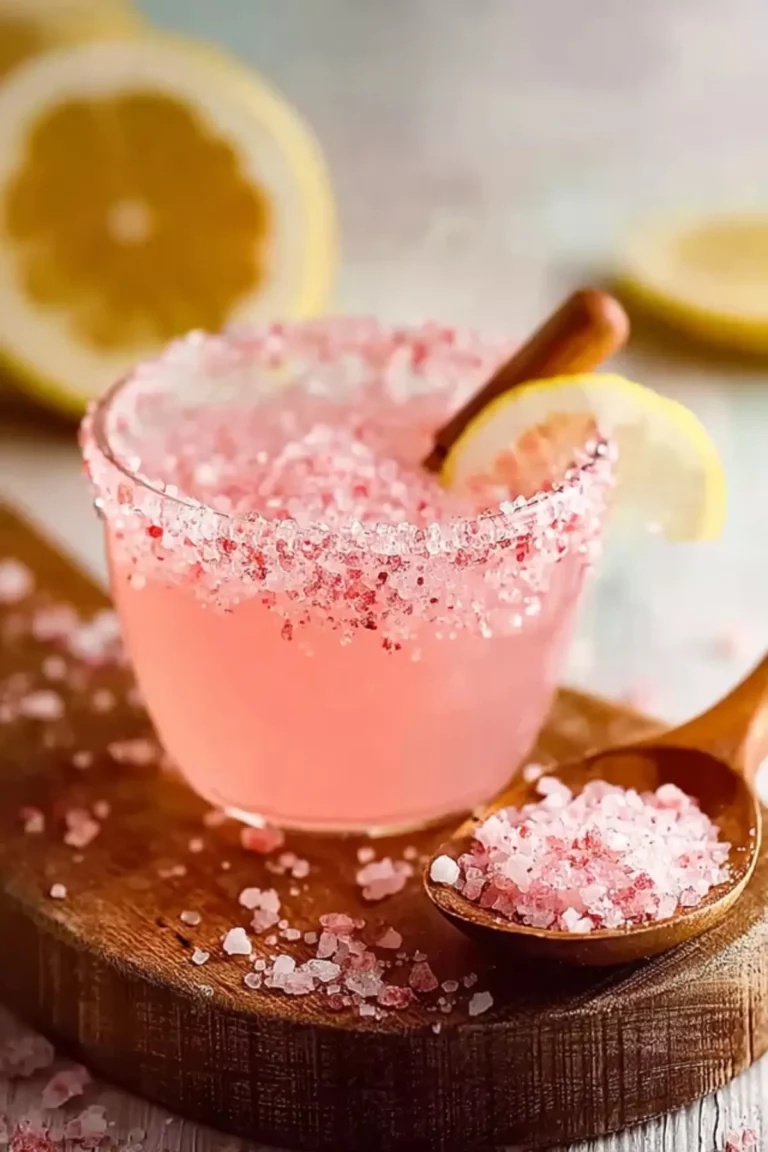
- Rim the glass with sugar or fine sea salt for a decorative touch.
- Layer colors by adding a small amount of concentrated fruit purée to the bottom of the glass, then pouring chilled lemonade over a spoon to create a two-tone look.
Nutrition Facts and Hydration Benefits
Here’s a practical, health-focused breakdown so you know what you’re drinking and how to make it lighter if you want to.
- Approximate calories: a typical serving of this watermelon lemonade is around 148 kcal, depending on how much added sweetener you use.
- Carbohydrates & sugars: most calories come from natural sugars in the watermelon and any added sweetener. Reducing the added sweetener or using a low-calorie alternative lowers total sugar and calories.
- Micronutrients: watermelon supplies vitamin C and lycopene, an antioxidant linked to heart health. Lemon juice adds more vitamin C and a bright flavor without many calories.
- Hydration: watermelon is over 90% water, making this drink an effective way to rehydrate while also enjoying some electrolytes and natural sugars for quick energy.
- To make it healthier: cut the added sweetener by a third, swap in honey or agave for a different sweetness profile, or replace part of the water with sparkling water for a lighter mouthfeel.
Frequently Asked Questions
Can I make Watermelon Lemonade without a blender?
Unfortunately, this recipe requires a blender to pulverize the watermelon. However, you can use pre-made watermelon juice if you don’t have a blender.
What sweeteners can I use in Watermelon Lemonade?
You can use granulated sugar, honey, agave, or any other sweetener of your choice. Adjust the amount based on your taste preference.
How long can I store leftover Watermelon Lemonade?
Leftover Watermelon Lemonade can be stored in covered pitchers or mason jars for up to 5 days in the refrigerator.
Can I make this recipe with other fruits?
Absolutely! You can mix in other fruits like strawberries or mint for a fun twist on the classic watermelon lemonade.
Is it necessary to strain the watermelon juice?
Straining the juice helps remove pulp and seeds, resulting in a smoother drink. However, if you prefer a more textured lemonade, you can skip this step.
Watermelon Lemonade
Ingredients
Method
- Add cubed watermelon to blender and blend until pulverized.
- Strain pulp out of watermelon juice into a pitcher.
- Add fresh lemon juice, water, sea salt, and sweetener and stir until fully combined.
- Serve cold and store leftover watermelon lemonade in covered pitchers or mason jars for up to 5 days.