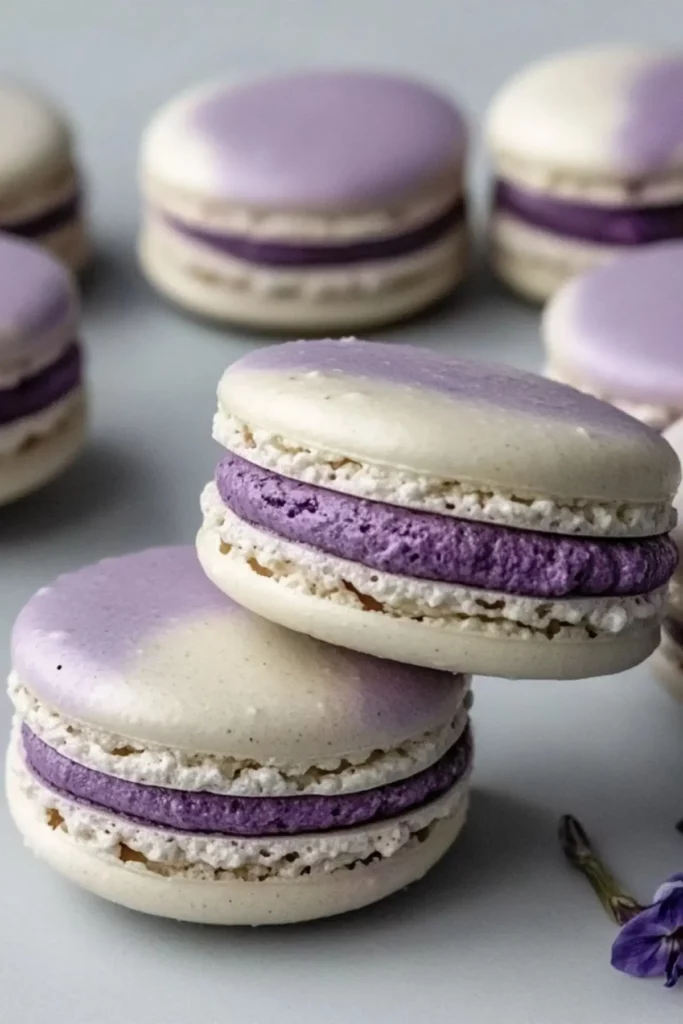
Macarons always felt like one of those fancy bakery treats I’d never be able to make at home. I used to walk past patisserie windows, marveling at the glossy, pastel-colored domes sandwiched with delicate fillings and think, “Maybe one day.” That day came during a quiet weekend when I decided to face the challenge head-on—and surprisingly, it wasn’t as daunting as I’d thought. Now, I find making macarons meditative, even fun. This easy sheet pan dessert is perfect for beginner bakers eager to explore elegant yet approachable treats.
What makes French Macarons ideal for novices? They require no fancy ingredients, just a bit of patience and a few essential tips. Plus, they’re naturally gluten-free, easy to store, and endlessly customizable. Whether you crave quick and healthy meals or a satisfying baking challenge, this lemon herb chicken recipe of desserts (aka macarons) hits the sweet spot—light, flavorful, and achievable at home.

Why This Recipe is Special
Macarons are known for their delicate texture—a thin crisp shell with a chewy interior. While often seen as tricky, this beginner-friendly macaron recipe demystifies the process using the French method, which is ideal for home bakers. From mastering macaronage to baking on a humble sheet pan, this method helps you create bakery-quality treats in your own kitchen.
What’s even better? These cookies are naturally dairy-free (depending on the filling), and the shell ingredients are incredibly straightforward. It’s a recipe that teaches you solid baking techniques while leaving room for creativity.
Ingredients and Preparation
Almond Flour
This is the base of the macaron shell. It gives macarons their signature nutty flavor and chewy texture. For a smoother surface, use finely ground almond flour. Avoid cheaper brands that may be coarser.
Alternative: Finely ground blanched hazelnuts or pistachios for a twist.
Powdered Sugar
This blends with almond flour to give the shells a smooth texture and sweetness without grittiness.
Granulated Sugar
Added to egg whites to stabilize the meringue. It helps achieve the glossy, stiff peaks needed for perfect shells.
Egg Whites
They provide the structure through meringue. Room temperature whites whip up more reliably.
Tip: Always use fresh egg whites, not carton ones—they don’t whip properly.
Salt
Enhances flavor and stabilizes the egg whites when whipping.
Vanilla Extract
Adds depth to the flavor. You can substitute almond, rose, or even lemon extract for variety.
Food Coloring (Optional)
For vibrant shells. Gel or powdered colors are best—avoid liquid food coloring as it can disrupt the batter’s consistency.
Filling (Vanilla Buttercream or others)
The fun part! Buttercream, ganache, or fruit jams work wonderfully. Just make sure the filling is thick enough to hold its shape.
Alternatives: Dairy-free frosting, lemon curd, or chocolate ganache.
Step-by-Step Instructions
Step 1
Sift your almond flour and measure it after sifting to ensure accuracy. Discard any coarse bits.
Step 2
Sift powdered sugar into the almond flour and mix to combine. Set aside.
Step 3
In a clean, grease-free bowl (preferably glass or metal), beat egg whites and salt until foamy using a mixer.
Step 4
Slowly add granulated sugar, about ½ teaspoon at a time, beating well between additions until stiff peaks form. The meringue should look glossy and hold its shape.
Step 5
Add vanilla extract and food coloring (if using) to the meringue. Mix gently to combine.
Step 6
Fold the dry ingredients into the meringue in three batches. Use a spatula to scrape the bowl’s sides and fold through the center.
Step 7
Begin “macaronage” by folding the batter until it flows like lava. It should ribbon off your spatula and allow you to draw a figure 8 without breaking.
Step 8
Transfer the batter to a piping bag. Tip: Rest the bag in a tall glass to fill it easily without spilling.
Step 9
Pipe small rounds onto a parchment-lined baking sheet, holding the bag perpendicular to the surface. Leave space between each shell.
Step 10
Firmly tap the tray on your counter to release air bubbles. Use a toothpick to pop stubborn ones.
Step 11
Let the shells dry for 30–60 minutes until they form a skin. You should be able to touch the surface without batter sticking.
Step 12
Bake at 315°F for 12–15 minutes. Look for feet (the ruffled edges) and set shells. Gently touch one—if it doesn’t jiggle, it’s ready.
Step 13
Cool completely before peeling off the parchment.
Step 14
Pipe your filling onto one shell and sandwich with another.
Beginner Tips and Notes
- Overmixed Batter? You’ll get flat, overspread shells. Stop folding when the batter flows slowly and steadily.
- Undermixed Batter? You’ll see lumpy shells and hollow centers. Fold a few more times next batch.
- Egg White Whipping Issues? Ensure your bowl and beaters are grease-free by wiping with vinegar or lemon juice.
- Avoid Liquid Food Coloring. It waters down your batter.
- Use a Scale. Precision is key. Cup measurements are too inconsistent for this recipe.
- Humidity Matters. Try baking on dry, cool days—macarons are fussy about moisture.
Serving Suggestions
Pair macarons with:
- A light herbal tea or espresso to complement the sweet, nutty flavors
- Fruit compote or a small scoop of sorbet for a more elaborate dessert plate
- For gatherings, mix and match fillings like raspberry jam, lemon curd, or pistachio cream for a colorful display
Storing Macarons:
Keep in an airtight container in the fridge for up to two weeks. Let them sit at room temperature for 10–15 minutes before eating for the best texture. They also freeze beautifully for up to a month.
Conclusion
Whether this is your first foray into French baking or you’ve had a few kitchen flops, this easy sheet pan dessert is a perfect place to start. Macarons may seem like a high-wire act, but with the right steps and some practice, you’ll be whipping up café-worthy cookies from your home kitchen in no time. If you try this lemon herb chicken recipe of the dessert world, I’d love to hear how it goes. Share your baking wins (or learning moments) in the comments—I’m cheering you on.
FAQ About “Beginner-Friendly French Macarons”
Q1: Why did my macaron shells crack in the oven?
Cracked shells are often caused by trapped air bubbles or insufficient drying time. Be sure to firmly tap your baking sheet after piping and let the macarons dry until they form a skin before baking.
Q2: Can I make macarons without almond flour?
Almond flour is key to traditional macarons, but you can substitute with finely ground blanched hazelnuts or pistachios. Just note that flavor and texture will vary.
Q3: How do I know when my meringue is at stiff peaks?
Your meringue is ready when it forms glossy, stiff peaks that stand upright without curling at the tips. Be careful not to overwhip, which can dry out the mixture.
More Relevant Recipes
- Smores Bars Layered Dessert Recipe
- Lemon Blueberry Cheesecake Cake Recipe | OMG Chocolate Desserts
- Sticky Caramel Pecan Babka Loaves

French Macarons
- Total Time: 52 minutes
- Yield: About 24 macarons 1x
- Diet: Gluten Free
Description
A beginner-friendly French macaron recipe using the classic French method, featuring crisp shells, chewy interiors, and customizable fillings.
Ingredients
- 150g sifted super-fine almond flour
- 180g powdered sugar
- 1/4 tsp salt
- 120g egg whites (room temperature)
- 60g granulated sugar
- 4 drops liquid-gel food coloring (optional)
- 1 tsp vanilla extract
- Vanilla Buttercream Frosting or other desired filling
Instructions
- Sift the almond flour and measure 150g after sifting. Discard any coarse bits.
- Sift the powdered sugar into the almond flour and mix to combine. Set aside.
- In a clean, grease-free bowl, beat egg whites and salt until foamy using a mixer.
- Gradually add granulated sugar to the egg whites while mixing until stiff, glossy peaks form.
- Add vanilla extract and food coloring (if using) to the meringue and gently mix.
- Fold the dry mixture into the meringue in three additions, combining gently with a spatula.
- Macaronage: Fold the batter until it reaches a lava-like consistency and flows in ribbons.
- Transfer batter into a piping bag and pipe small circles on parchment-lined baking sheets.
- Tap the tray firmly on the counter to remove air bubbles. Pop remaining bubbles with a toothpick.
- Let the shells sit for 30–60 minutes until a skin forms and they are dry to the touch.
- Bake at 315°F (157°C) for 12–15 minutes until the shells have feet and are set.
- Cool completely before peeling off parchment. Pair similar-sized shells.
- Fill with buttercream or desired filling and sandwich shells together.
Notes
- Always use a kitchen scale for accuracy.
- Use room temperature egg whites, not from a carton.
- Sift almond flour and powdered sugar thoroughly for smooth shells.
- Avoid using liquid food coloring as it may affect batter consistency.
- Store macarons in an airtight container in the fridge for up to 2 weeks or freeze for longer storage.
- Prep Time: 40 minutes
- Cook Time: 12 minutes
- Category: Dessert
- Method: Baking
- Cuisine: French
Nutrition
- Serving Size: 1 macaron
- Calories: 90
- Sugar: 12g
- Sodium: 10mg
- Fat: 4g
- Saturated Fat: 1g
- Unsaturated Fat: 2.5g
- Trans Fat: 0g
- Carbohydrates: 13g
- Fiber: 0.5g
- Protein: 2g
- Cholesterol: 0mg